 comparison
Fortifab Alternative for Custom Metal: 5 Top Options
Last Updated: October 23, 2026
Quick Summary
The best fortifab alternative for custom metal depends on whether you need architectural sheet metal installed on a building or discrete metal parts delivered to a shop. Metal Masters Inc. is our top pick for architectural work, handling double lock standing seam and custom fabrication in copper, zinc, painted aluminum, and steel. For parts-only jobs, Haizol, Rapid Axis, Jiga, and Fictiv are sourcing options.
- We scored providers on capabilities, materials, order size and lead times, service coverage, and quote workflow.
- Metal Masters Inc. handles every phase, from tear-off and carpentry through custom fabrication and installation.
- Sourcing platforms publish almost nothing about tolerances, thickness ranges, or accepted file formats up front.
- Send the same drawing package to every provider and ask each to confirm tolerances, MOQ, and setup fees.
- Compare total cost at your actual order size, since the lowest unit price often carries the highest setup or MOQ.
Table of Contents
- Why Contractors and Architects Look for a Fortifab Alternative
- How We Evaluated These Custom Metal Fabrication Providers
- Comparison Table: Fortifab Alternative Options at a Glance
- 1. Metal Masters Inc.: Double Lock Standing Seam and Architectural Sheet Metal Fabrication
- 2. Haizol: Online Factory Sourcing for Custom Metal Parts
- 3. Rapid Axis: Broad Sheet Metal Fabrication With Direct Support
- 4. Jiga: A Vetted Manufacturer Network for Custom Metal Parts
- 5. Fictiv: Managed Manufacturing With Quality Controls
- Which Fortifab Alternative Fits Your Project?
- Frequently Asked Questions
Why Contractors and Architects Look for a Fortifab Alternative
Searching for a Fortifab alternative for custom metal usually starts with a specific frustration: a project needs architectural sheet metal that matches a design intent exactly, and the sourcing route in front of you feels built for a different kind of buyer.
Custom metal work rewards a fabricator who understands buildings: how a panel drains, how a seam locks, how copper and zinc behave next to each other.
Below, we compare these providers on capabilities, materials, order size, lead times, and service coverage, and explain where a full-service architectural fabricator fits versus a parts-sourcing platform.
How We Evaluated These Custom Metal Fabrication Providers
We scored each provider on five things that decide whether a custom metal project gets built: fabrication capabilities, materials handled, order size and lead times, service coverage, and the quote and design workflow. A platform can excel at sourcing machined parts and still be wrong for standing seam roofing, so we weighted architectural sheet metal fabrication heavily.
We also looked at what the supplier tells you up front: a provider that publishes its processes and materials is easier to vet than one hiding behind a contact form. Where public pricing was unavailable, we say so rather than guess.
- Capabilities: cutting, forming, welding, finishing, assembly
- Materials: steel, stainless steel, aluminum, copper, zinc
- Order size and lead times: small-batch versus production runs, rush capacity
That last point matters more than most buyers expect. A custom metal fabrication quote that arrives without a drawing review is a number, not a plan.
Comparison Table: Fortifab Alternative Options at a Glance
Each row is a genuine Fortifab alternative, but they serve different buyers. The table adds the technical and commercial detail most roundups skip: what each provider can hold, what you need to send them, and how order size and lead times look.
| Provider | Model | Best For | Materials | Processes | Typical Tolerances | Material Thickness | File Formats | Finishing | Order Size | Lead Time | Pricing |
|---|---|---|---|---|---|---|---|---|---|---|---|
| Metal Masters Inc. | Full-service architectural fabricator | Standing seam roofing, siding, custom architectural components | Copper, zinc, painted aluminum, steel | Cutting, forming, double lock seaming, welding, assembly, installation | Architectural sheet metal tolerances; confirm project-specific | Architectural gauges; confirm per panel | DWG, DXF, PDF shop drawings | Paint, patina, mill finish | Prototype through production, project-based | Project schedule; confirm rush capacity | Free quote |
| Haizol | Online factory-sourcing platform | Custom sheet metal parts from verified factories | Sheet metal (varies by factory) | Cutting, bending, stamping, welding (varies by factory) | Varies by factory; confirm before order | Varies by factory | STEP, IGES, DXF, PDF (confirm) | Varies by factory | Low to high volume | Varies by factory | Quote-based |
| Rapid Axis | Sheet metal fabricator with direct support | Broad fabrication with a single point of contact | Sheet metal (varies) | Cutting, forming, welding, finishing (confirm list) | Confirm in writing | Confirm in writing | Confirm accepted formats | Confirm options | Prototype to production (confirm) | Confirm schedule | Quote-based |
| Jiga | Vetted manufacturer network | Engineers sourcing custom metal parts | Metal parts (varies) | Varies by manufacturer | Varies by manufacturer | Varies by manufacturer | STEP, IGES, DXF (confirm) | Varies by manufacturer | Low to high volume | Varies by manufacturer | Quote-based |
| Fictiv | Managed manufacturing network | Custom parts with quality controls and fast turnaround | Metal parts (varies) | Varies by network | Varies by network | Varies by network | STEP, IGES, DXF (confirm) | Varies by network | Prototype to production | Fast turnaround cited; confirm | Quote-based |
Two patterns stand out. The sourcing platforms publish almost nothing about tolerances, thickness ranges, or accepted file formats up front, so you have to ask. And only one provider here fabricates and installs architectural metal; the rest are parts networks.
1. Metal Masters Inc.: Double Lock Standing Seam and Architectural Sheet Metal Fabrication
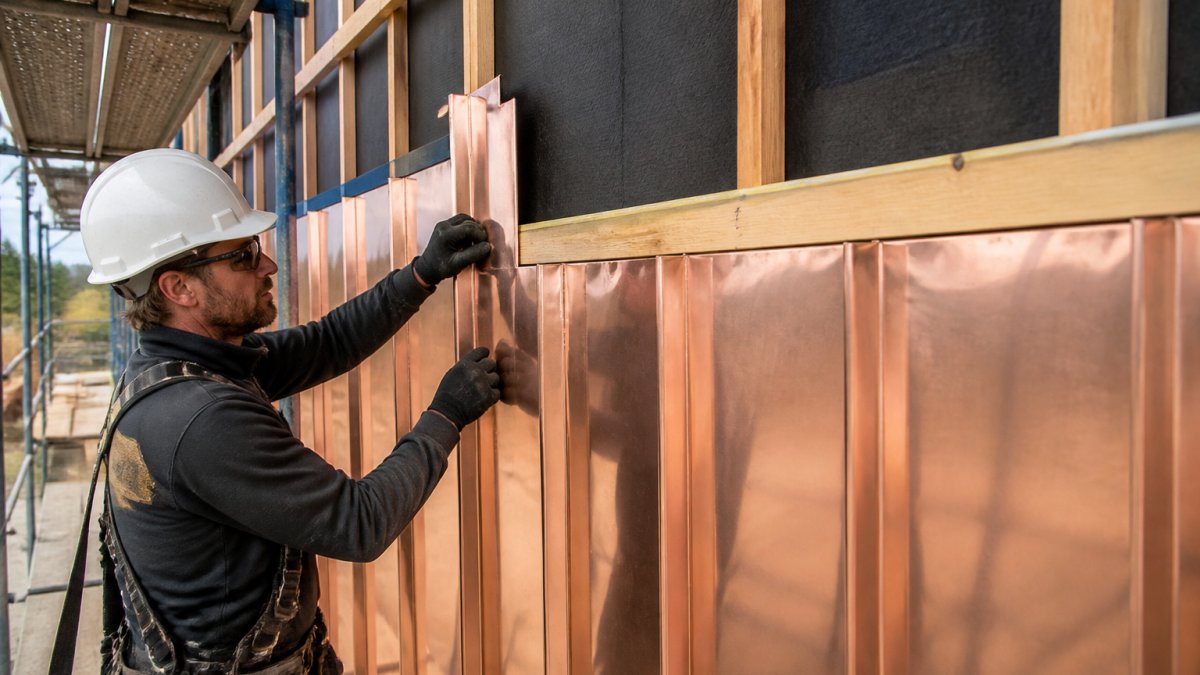
Our top pick for architectural work is Metal Masters Inc., a full-service architectural sheet metal company built around double lock standing seam technology. We handle every phase, from tear-off and carpentry through custom fabrication and installation, working directly with homeowners, general contractors, builders, and architects.
That full-service scope is the difference. A platform can source a part, but it cannot stand on your roof and confirm the seam locks the way the drawing intended.
Metal Fabrication Capabilities and Materials
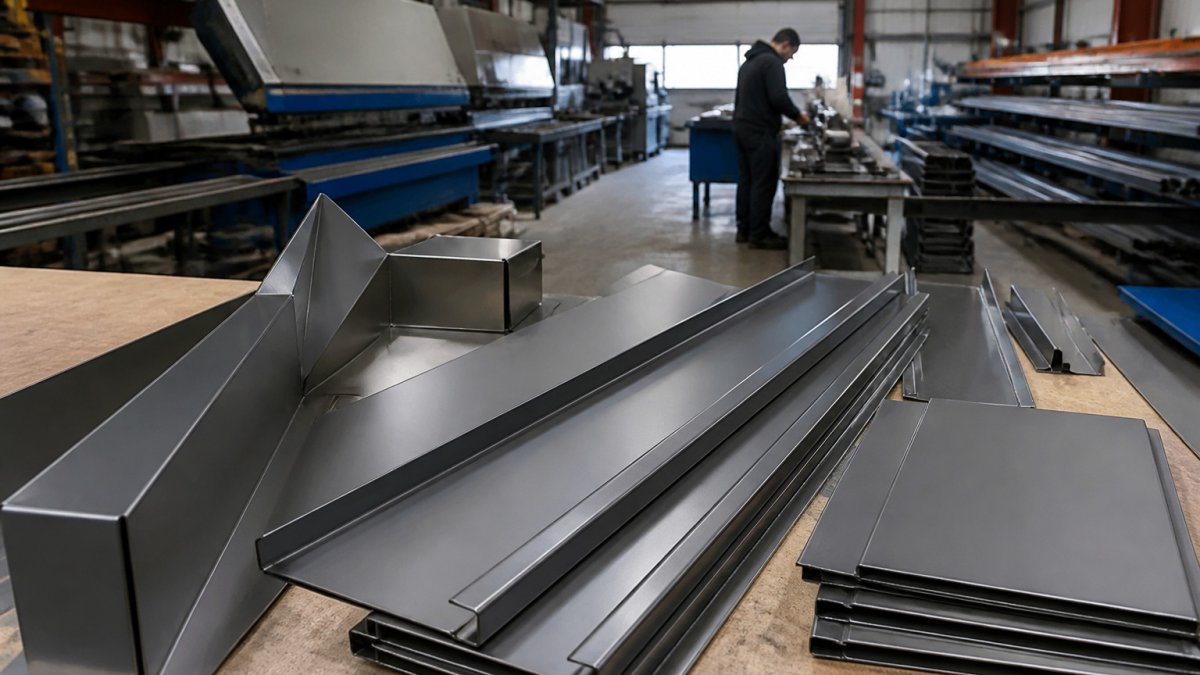
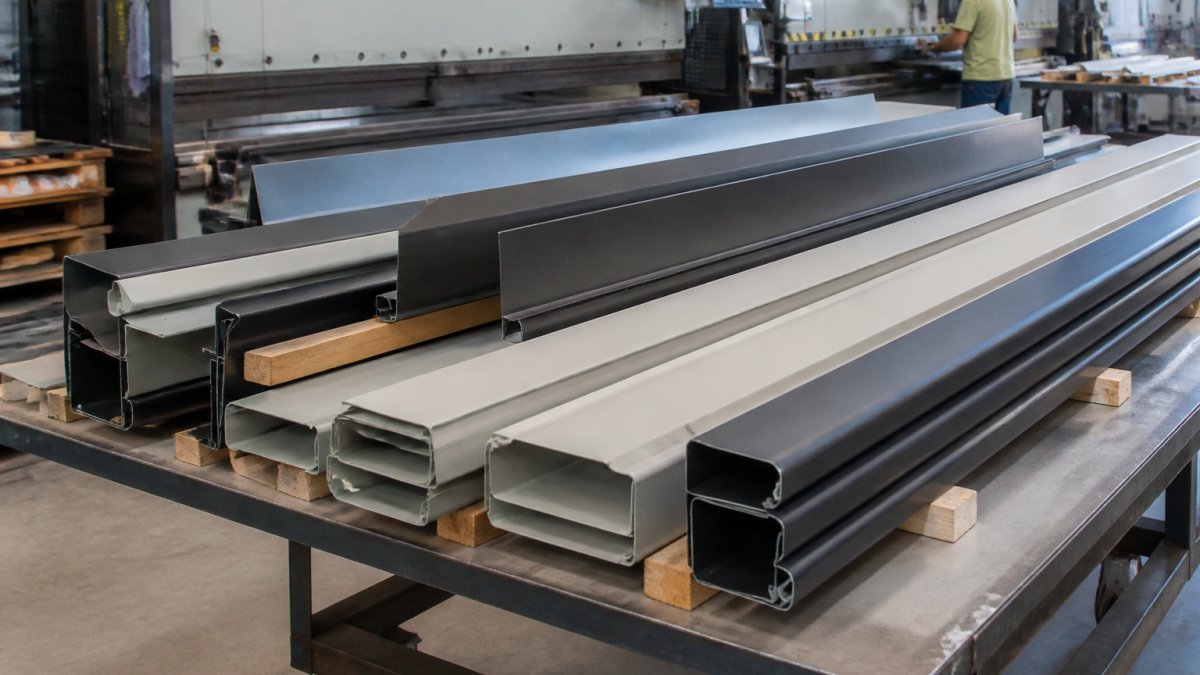
We fabricate sheet metal components to specification and manage the whole project rather than handing off pieces. Our materials cover copper, zinc, painted aluminum, and steel, which matters on high-end renovations mixing metals. Preventing galvanic corrosion between copper and zinc is a detailing decision made at fabrication, not something a buyer should solve after delivery.
Standing Seam Metal Roofing and Double Lock Technology
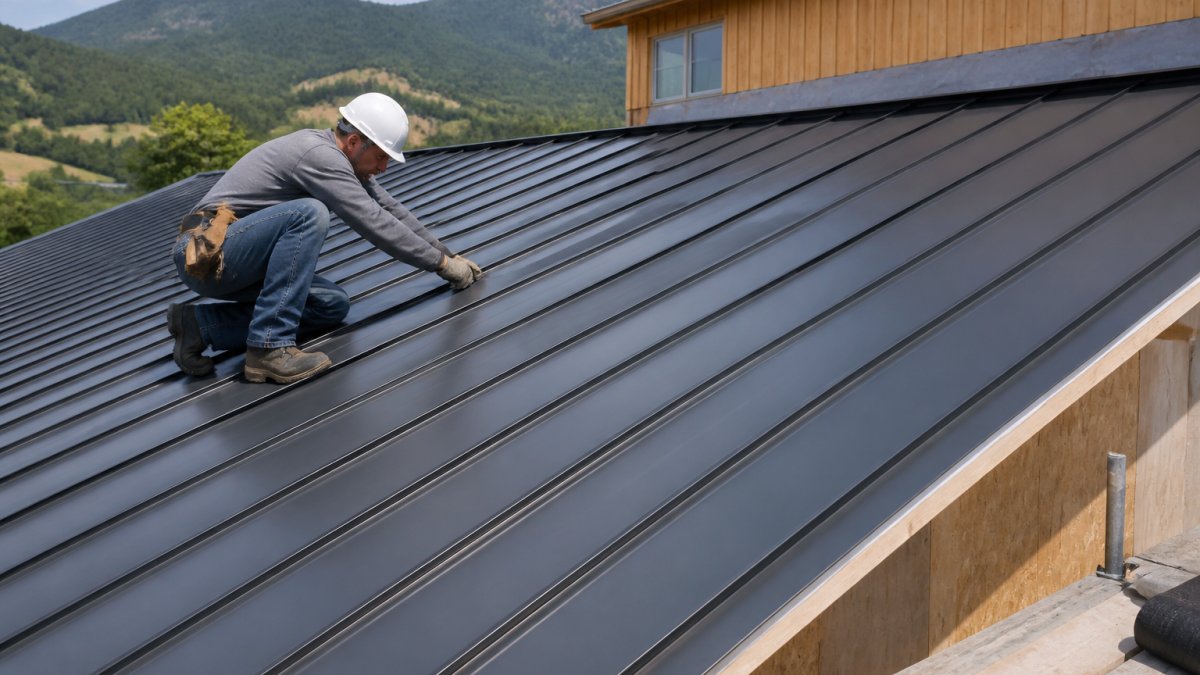
Double lock standing seam is a mechanically folded seam, closed twice for a tighter, more weather-resistant joint than a single lock.
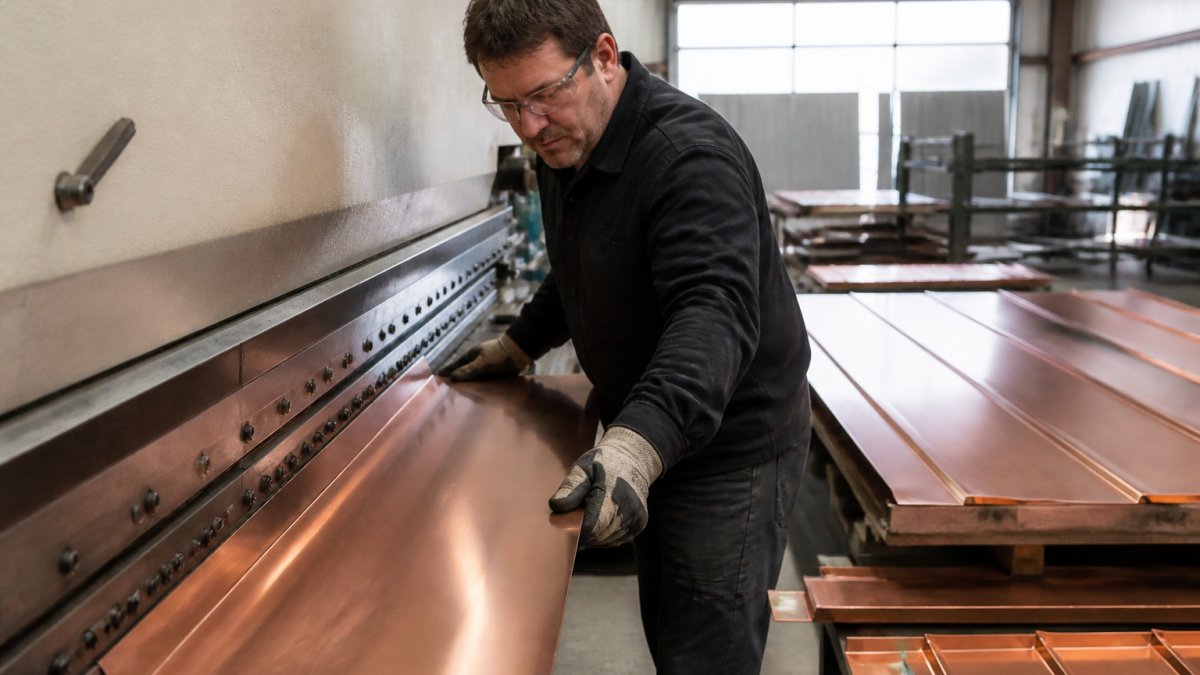
Pros: full-service project management, in-house custom fabrication, expertise across copper, zinc, painted aluminum, and steel, works with both trade and homeowner clients. Cons: focused on architectural sheet metal rather than high-volume machined parts, so it is not the right fit for a pure parts-sourcing job.
2. Haizol: Online Factory Sourcing for Custom Metal Parts
Haizol is an online platform for ordering custom sheet metal fabrication parts from verified factories, built to reduce sourcing risk and avoid markups by connecting buyers directly with factories.
The catch is scope. The platform connects you to factories; it does not design, detail, or install.
Pros: access to verified factories, a model aimed at reducing markups. Cons: no architectural detailing or installation, quote-based pricing, service coverage varies by factory.
3. Rapid Axis: Broad Sheet Metal Fabrication With Direct Support
Rapid Axis is a sheet metal fabrication company positioned on broad capabilities and direct support, suiting buyers who want a single point of contact and a shop handling a range of processes rather than one narrow specialty.
What the public information does not spell out is the specific process list, project limits, and pricing. Ask for those in writing before you commit.
Pros: broad fabrication capabilities, direct support as a stated strength. Cons: individual processes and project limits not specified publicly, quote-based pricing.
4. Jiga: A Vetted Manufacturer Network for Custom Metal Parts
Jiga connects engineers directly with vetted manufacturers for custom metal parts. The vetted-network model is the selling point: instead of cold-calling shops, you work through a curated pool, which removes legwork for engineering teams sourcing repeatable parts.
It is a parts network, though. Pricing, specific fabrication processes, and delivery details are not listed publicly, and the platform is aimed at engineers rather than at architects specifying a roof.
Pros: access to vetted manufacturers, direct engineer-to-manufacturer sourcing. Cons: no public pricing, process list, or delivery detail.
5. Fictiv: Managed Manufacturing With Quality Controls
Fictiv runs a managed manufacturing network for custom parts, with quality controls and fast turnaround as its cited strengths.
As with the other platforms, metal processes, public pricing, and turnaround times are not specified in the available information. Confirm those before you build a schedule around them.
Pros: managed network, quality controls noted, fast turnaround cited. Cons: no public process list, pricing, or confirmed turnaround times.
Which Fortifab Alternative Fits Your Project?
The answer turns on one question: are you buying a building component or a batch of parts? If the project involves standing seam metal roofing, siding, flashing, trim, or custom architectural metal fabricated and installed to a design, a full-service architectural fabricator is safer.
If you need discrete metal parts and can manage the specification yourself, a sourcing platform or parts shop can be efficient. Just confirm capabilities, lead times, and total cost in writing before you commit.
How the Alternatives Compare Directly With Fortifab
Most roundups list fabricators without comparing them to the platform you started with. Here is the direct comparison, organized by the factors that decide a custom metal project.
- Service model: Fortifab-style platforms connect buyers to factories for parts. Metal Masters Inc. details, fabricates, and installs. Sourcing platforms (Haizol, Jiga, Fictiv) coordinate manufacturing but do not install.
- Ideal use case: Fortifab-style sourcing fits repeatable, spec-complete parts where you own the design. Architectural sheet metal fits design-intent work where detailing and installation decide performance.
- Materials: Architectural work needs copper, zinc, painted aluminum, and steel handled with galvanic-corrosion detailing in mind. Parts platforms quote whatever the factory runs; confirm material and finish before relying on it.
Quote and Total-Cost Comparison
A quoted unit price is not the total cost. When comparing a Fortifab alternative, ask every provider to break out the same line items so the numbers are comparable:
- Setup and programming fees: one-time charges for tooling, programming, or fixturing.
- Minimum order quantity (MOQ): the smallest batch a provider will run, and whether prototype quantities are exempt.
- Material and finishing: whether the quote includes material, finishing, and any patina or paint.
Often the lowest unit price carries the highest setup or MOQ, erasing savings on a small custom job. Compare total cost at your actual order size, not a hypothetical volume.
Order Size, Lead Times, and Rush Capacity
Match the provider to the stage of your project:
- Prototype and one-off: prioritize drawing review and revision handling over unit price. A fabricator who flags a detailing problem at quote stage saves a rework bill at install stage.
- Low-volume custom: confirm MOQ and setup fees before comparing unit prices.
- Production runs: ask for a committed schedule and a quality documentation package.
Online Ordering and Design Workflow
For parts work, workflow matters as much as the machine list. Ask each platform how it handles CAD upload, design-for-manufacturing (DFM) feedback, quote turnaround, order tracking, and revisions. For architectural work, ask for shop drawings and a drawing review before pricing.
Quality Assurance and Certifications
Ask what inspection method the provider uses, whether material traceability is documented, and what quality documentation ships with the order. For architectural metal, confirm the fabrication and installation standards the shop works to. If a provider cannot describe its inspection and documentation process, treat that as a risk factor.
Frequently Asked Questions
What should I compare when choosing a fortifab alternative for custom metal?
Start with the processes the shop actually runs: laser cutting, forming, TIG and MIG welding, and finishing. Then check which materials they handle in-house, including mild steel, stainless steel, aluminum, copper, and zinc. Ask about order size limits, typical lead times, and rush capacity. Finally, confirm how quotes are produced and whether you can review cut parts and custom metal products before a full run. A provider that is strong on parts but weak on architectural sheet metal fabrication may not suit a roofing or siding project.
How do I request a custom metal fabrication quote?
Send drawings or a dimensioned sketch, the material and finish you want, quantities, and your required delivery date. Include any site constraints, such as panel lengths for standing seam metal roofing or tolerances on cut parts. Ask whether the shop prices fabrication and installation separately. Most providers return a written quote within a few business days, and a clear brief shortens that turnaround. If your project involves copper and zinc together, mention it up front so the fabricator can plan isolation details.
Can one metal fabricator handle both architectural metal and roofing?
Some can, and it usually simplifies coordination. A shop set up for architectural sheet metal fabrication already produces flashing, trim, and custom metal components, so adding standing seam metal roofing panels keeps tolerances and finishes consistent across the project. Confirm the provider handles tear-off, carpentry, and installation if you need a single point of responsibility. If they only fabricate, you will need to schedule a separate installer and manage the handoff between trades.
How can I assess the quality of a metal fabrication company?
Ask for references and photos from projects similar to yours, especially high-end residential work with custom standing seam and siding. Request details on coating systems and how the shop prevents corrosion at cut edges and metal-to-metal contacts. Visit the workshop if you can, and look at how panels are handled and stored. A fabricator that documents its quality checks and can explain its finishing process is easier to trust than one that only shares a price.
Custom architectural metal leaves little room for a seam that does not lock or a panel that does not match the drawing. Metal Masters Inc. brings double lock standing seam expertise, full-service project management from tear-off to installation, and old-world custom fabrication in copper, zinc, painted aluminum, and steel. Get a free quote and put your project in front of a fabricator who builds it, not just sources it.