 how-to
Hiring Architectural Sheet Metal Subcontractors: 2026 Guide
Table of Contents
- What to Look for When Hiring Architectural Sheet Metal Subcontractors
- Defining the Sheet Metal Subcontractor Scope of Work
- Questions to Ask a Sheet Metal Subcontractor Before Hiring
- Sheet Metal Subcontractor Bid Comparison: Reading Bids That Look Alike
- Architectural Sheet Metal Project Coordination
- Common Mistakes to Avoid When Hiring Subcontractors
- Conclusion
- Frequently Asked Questions
Last Updated: October 19, 2026
What to Look for When Hiring Architectural Sheet Metal Subcontractors
Hiring architectural sheet metal subcontractors is the process of vetting a fabrication and installation crew before you hand over custom flashing, standing seam panels, or copper and zinc detailing. The right crew protects your schedule and your reputation. The wrong one leaves you chasing leaks and callbacks.
Here's what separates a real architectural shop from a general roofer who owns a brake.
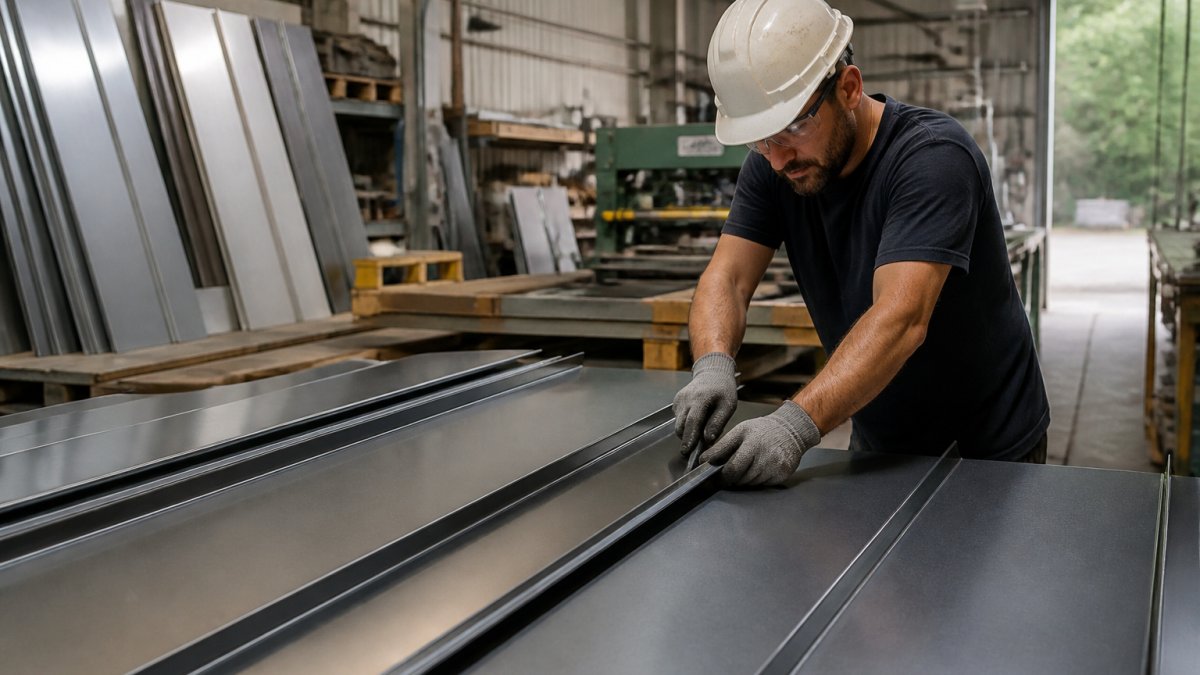
- In-house fabrication. Ask whether they cut and form panels themselves or broker the work out.
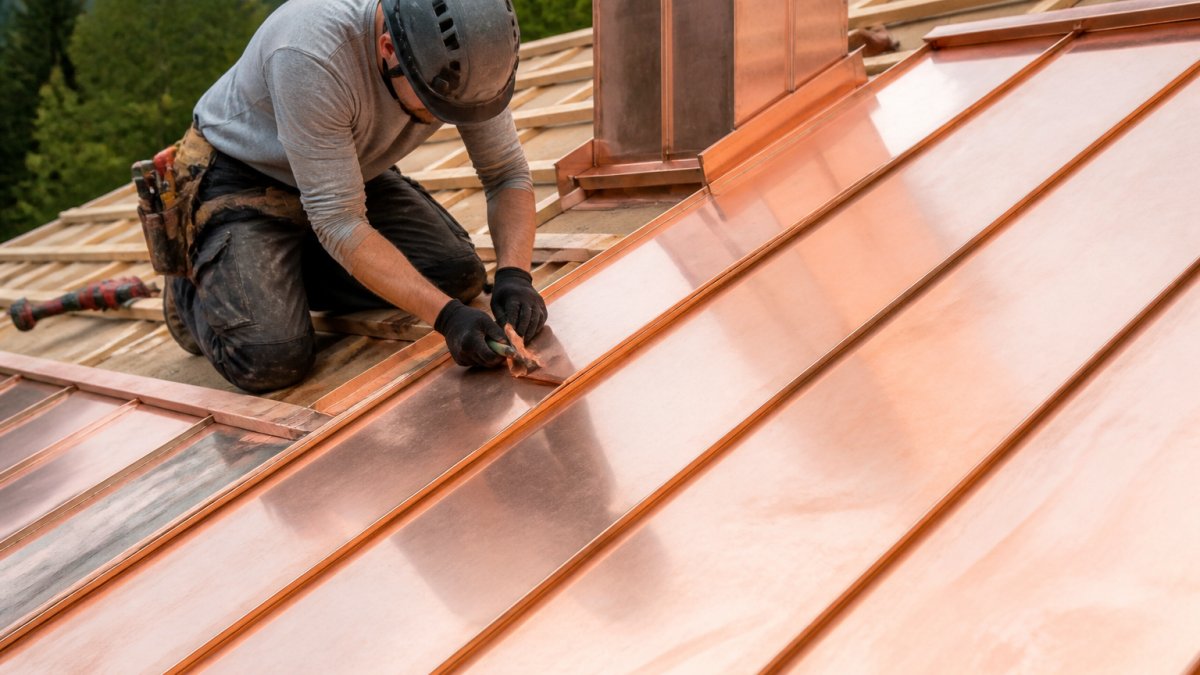
- Metal range. Copper, zinc, painted aluminum, and steel all behave differently. Look for hands-on experience with each.
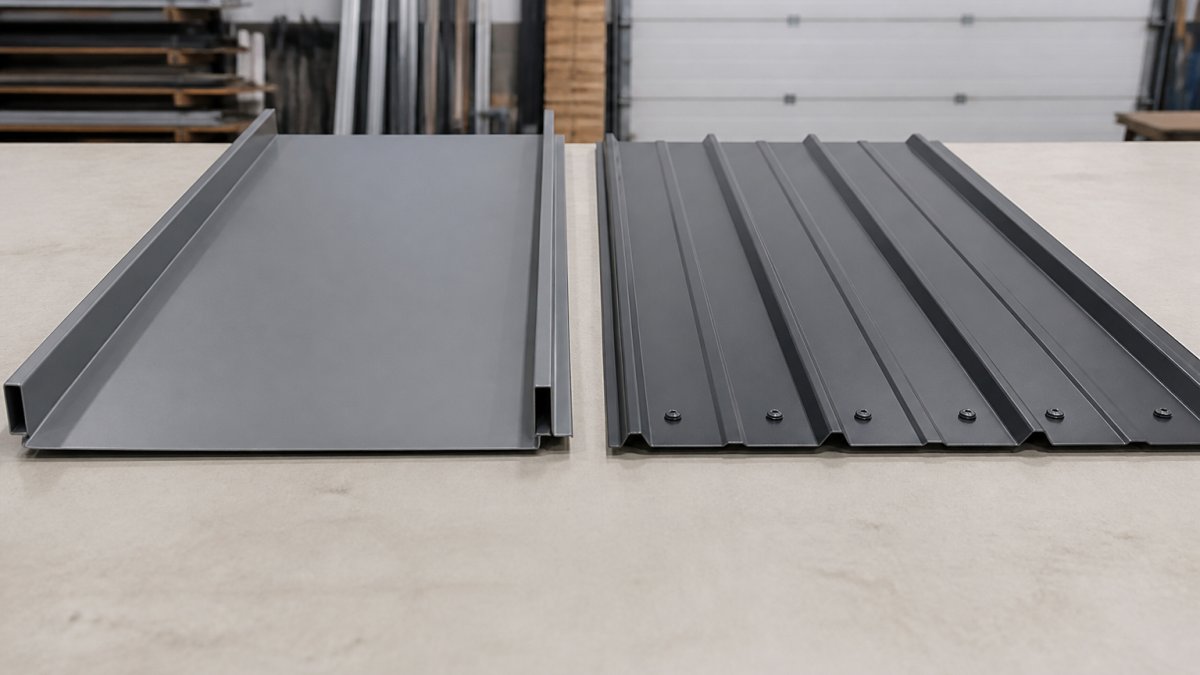
- Standing seam method. Double lock standing seam takes more skill than a snap-lock system. Ask which one they actually install.
- Project management. They should handle tear-off, carpentry, and fabrication as one coordinated scope.
- Architectural references. Request photos of high-end residential work with custom trim and siding.
A common mistake is judging a shop by its roofing portfolio alone. Architectural sheet metal is closer to millwork than roofing. Tolerances are tighter, and the details are visible for decades.
Red Flags to Watch For
Watch for these warning signs before you sign anything:
- Vague answers about metal thickness or gauge
- No shop photos or fabrication facility to visit
- Bids with no exclusions listed
- Pressure to skip shop drawings
- No plan for protecting finished panels on site
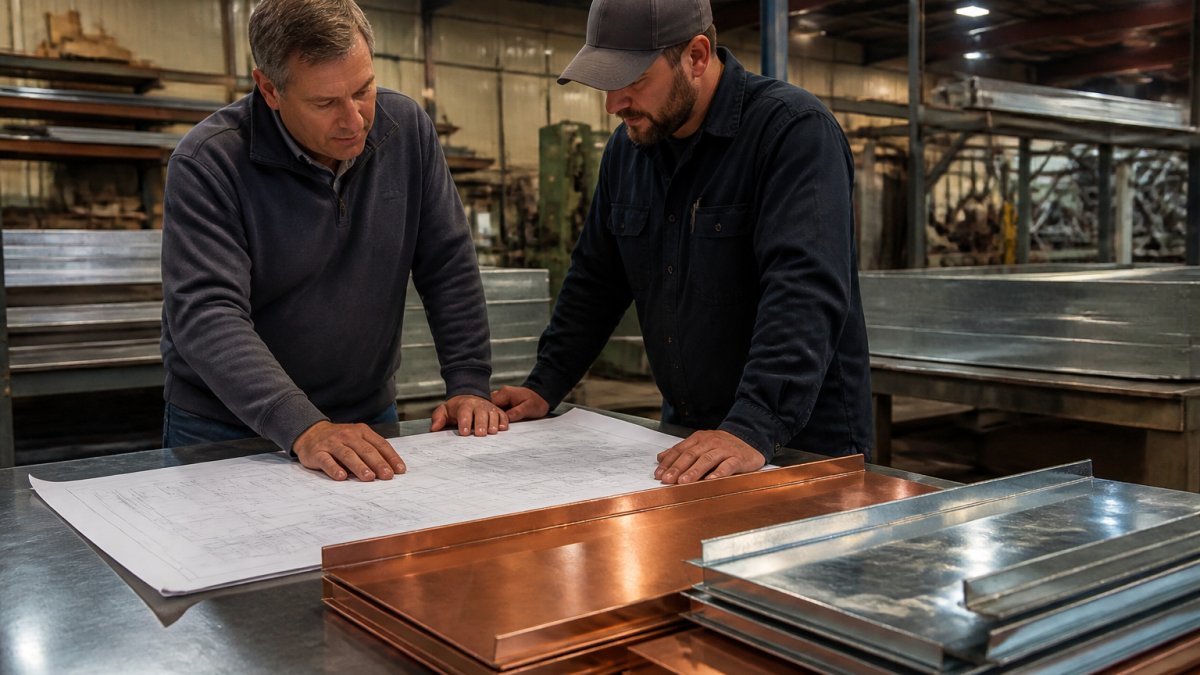
What most guides miss is the shop visit. Standing in a fabricator's workspace tells you more in ten minutes than an hour of phone calls.
Defining the Sheet Metal Subcontractor Scope of Work
The sheet metal subcontractor scope of work is the written list of everything the crew will fabricate, supply, and install, plus what they will not. A loose scope is where budgets die. Both sides fill the gaps with different assumptions, and the change orders start.
What a Complete Scope Should Cover
A complete scope should spell out each of these:
- Materials and gauges. Metal type, thickness, finish, and color for every element.
- Fabrication. Panels, flashing, trim, gutters, and custom components formed in-shop.
- Installation. Who installs, who supplies labor, and who handles tear-off and carpentry.
- Substrate prep. Decking, underlayment, and moisture barriers.
- Shop drawings. Who produces them and who approves them.
- Exclusions. Cranes, scaffolding, electrical, and anything outside the metal work.
- Warranty and closeout. Coverage terms and final documentation.
Put the scope in writing and make it part of the contract. If a bid doesn't list exclusions, ask for them in writing before you compare anything.
Questions to Ask a Sheet Metal Subcontractor Before Hiring
Ask these questions before you hire a sheet metal subcontractor, and listen for specifics rather than reassurances:
- Can we visit your fabrication shop?
- Which standing seam system do you install, and why?
- How do you prevent galvanic corrosion when copper meets zinc or steel?
- Who drafts and stamps the shop drawings?
- How do you sequence delivery so panels arrive when the site is ready?
- What happens if a panel is damaged on site?
- Can you share references from similar architectural projects?
Question three matters more than most people realize. Dissimilar metals in contact corrode fast when moisture bridges them. A shop that can explain its separation details, from barriers to fasteners, has done this before.
Sheet Metal Subcontractor Bid Comparison: Reading Bids That Look Alike
Sheet metal subcontractor bid comparison comes down to reading the fine print, because three bids can look identical on the surface. The differences hide in line-item detail, exclusions, and allowances. A low number with a thin scope is not a low bid. It's a future change order.
Line-Item Breakdowns and Exclusions
Ask every bidder for the same format. Then compare these rows side by side:
| What to Compare | What Good Looks Like | What to Question |
|---|---|---|
| Line items | Every component priced separately | One lump sum with no detail |
| Exclusions | Clearly listed in writing | No exclusions at all |
| Materials | Metal type, gauge, and finish named | "Standard metal" or blank |
| Shop drawings | Included and priced | Missing or "by others" |
| Allowances | Specific, with a stated purpose | Large, vague allowances |
| Schedule | Milestones tied to the project | "TBD" or no dates |
If one bid sits far below the others, find out why before you celebrate. The gap is usually missing labor, thinner material, or work pushed onto you.
Architectural Sheet Metal Project Coordination
Architectural sheet metal project coordination is the work of sequencing fabrication, delivery, and installation so custom panels land on site exactly when the building is ready for them. Get it wrong and you pay for storage, rework, or both. Tightening these logistical timelines directly influences the overall metal building pricing by minimizing the overhead costs associated with idle crews and material handling.
Set these expectations at the contract stage:
- One point of contact. A named person who answers questions and owns the schedule.
- Shop drawing approvals. A clear review cycle with dates for architect sign-off.
- Lead times. Fabrication windows agreed before the project starts, not after.
- Delivery sequencing. Panels arrive in install order, not all at once.
- Site protection. A plan for storing finished metal without scratches or dents.
- Progress updates. A standing check-in so trades don't wait on each other.
Coordination is where a full-service shop earns its keep. When one crew handles tear-off, carpentry, and fabrication, fewer hands touch the schedule and fewer excuses surface when something slips.
Common Mistakes to Avoid When Hiring Subcontractors
Most hiring mistakes trace back to skipping the boring steps. Avoid these:
- Hiring on price alone. The cheapest bid often carries the thinnest scope.
- Skipping the shop visit. You can't judge craftsmanship from a website.
- Leaving exclusions unwritten. Verbal promises vanish when the invoice arrives.
- Ignoring metal compatibility. Copper against steel without proper separation invites corrosion.
- No reference checks. Ask past clients about callbacks and finish quality.
- Rushing shop drawings. Approvals done in a hurry become rework on site.
Conclusion
Hiring architectural sheet metal subcontractors rewards patience and punishes shortcuts. Vet the shop, lock down the scope, compare bids line by line, and coordinate the schedule before the first panel is formed. That's how custom metal work stays on budget and looks right for decades.
At Metal Masters Inc., we handle all phases of sheet metal, from tear-off and carpentry to custom fabrication in copper, zinc, painted aluminum, and steel. Our double lock standing seam work is built to last. Get a free quote and see what old-world craftsmanship looks like on your project.
Frequently Asked Questions
What qualifications should an architectural sheet metal subcontractor have?
Look for a contractor with a business license, liability insurance, and workers' compensation coverage. Ask for documented experience with custom fabrication in copper, zinc, painted aluminum, and steel, plus references from comparable projects. Confirm they understand Canadian building codes and local permit requirements. If they claim standing seam expertise, ask specifically about double lock standing seam and how they prevent oil canning. Request photos of finished high-end residential work and contact details for past clients so you can verify the quality yourself.
How do I compare architectural sheet metal subcontractor bids?
Never compare bottom-line totals alone. Ask each bidder to break costs into labor, materials, fabrication, and site management. Check what is excluded: tear-off, carpentry, flashing, permits, and disposal often sit outside the base price. Confirm the gauge and finish of the metal, the fastening system, and the warranty terms. A lower bid that omits underlayment or custom trim is not cheaper once you add the missing pieces. Compare scope line by line and ask each subcontractor to clarify anything vague before signing.
What should be included in a sheet metal subcontractor's scope of work?
A complete scope covers removal of existing materials, substrate inspection and carpentry, fabrication of panels and trim, installation, and site cleanup. It should specify the metal types, thicknesses, and finishes, the standing seam profile, and whether custom flashing and penetrations are included. Clarify who supplies shop drawings, who handles permits, and who coordinates with other trades. Include a schedule with milestone dates, payment terms, warranty details, and a process for handling change orders. Anything not written down is easy to dispute later.
How can I verify a subcontractor's experience with standing seam metal roofing?
Ask for a portfolio of completed standing seam projects, then request two or three references from similar high-end residential jobs. Ask references about oil canning, panel alignment, and how the contractor handled coordination with other trades. Inquire which seaming method they use and whether they fabricate panels in-shop or on-site. A fabricator experienced with double lock standing seam can explain how the profile and fastening system reduce oil canning and how they protect against galvanic corrosion when copper and zinc accents meet.