 blog
blog
Standing Seam vs Exposed Fastener Metal Roofing
Table of Contents
- Standing Seam Metal Roof vs Exposed Fastener Panels: The Core Differences
- Standing Seam Metal Roof Cost: Upfront Investment and Value
- Exposed Fastener Roof Maintenance: What You Actually Need to Do
- Standing Seam Roof Lifespan: Durability and Long-Term Performance
- Double Lock Standing Seam Benefits: Why the Design Matters
- Appearance, Installation Complexity, and Climate Considerations
- Making Your Choice: Which System Fits Your Project
- Frequently Asked Questions
Last Updated: October 16, 2026
Standing Seam Metal Roof vs Exposed Fastener Panels: The Core Differences
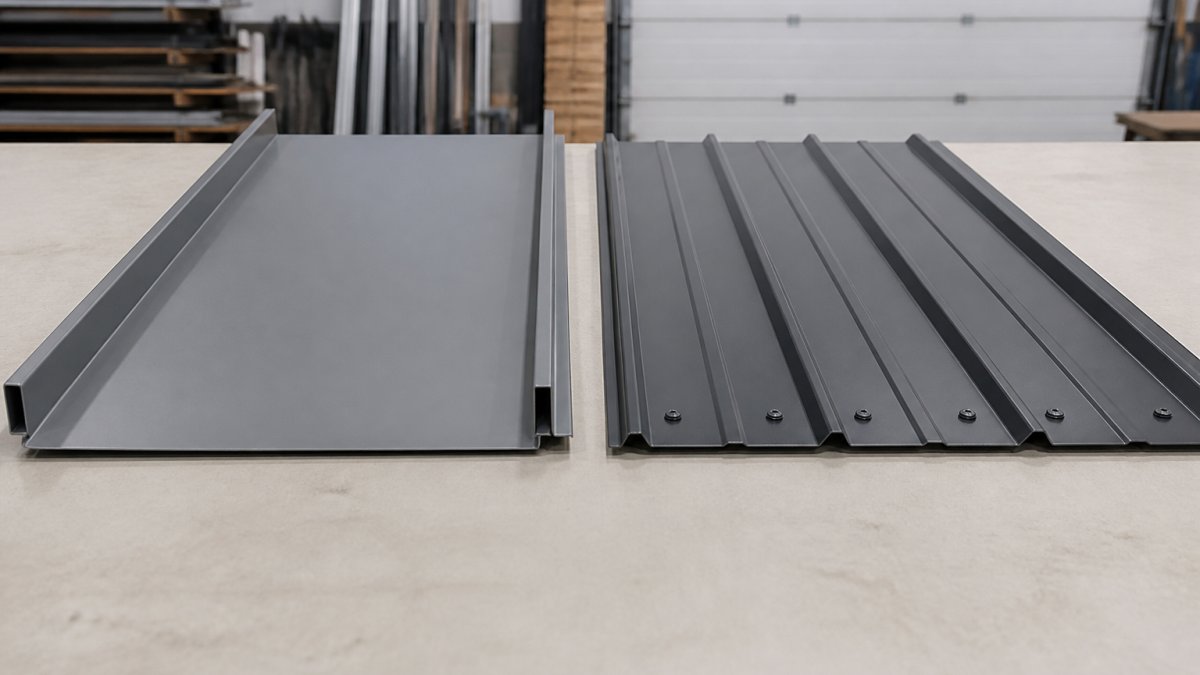
A standing seam metal roof uses concealed fasteners hidden beneath raised seams that interlock panels, while exposed fastener panels use visible screws that penetrate the surface directly. This choice shapes your roof's durability, appearance, and long-term maintenance.
At Metal Masters Inc., we've worked with both systems. The differences go deeper than fastener visibility: each handles thermal movement, water infiltration, and repairs differently, and those differences compound over decades.
How Standing Seam Systems Work
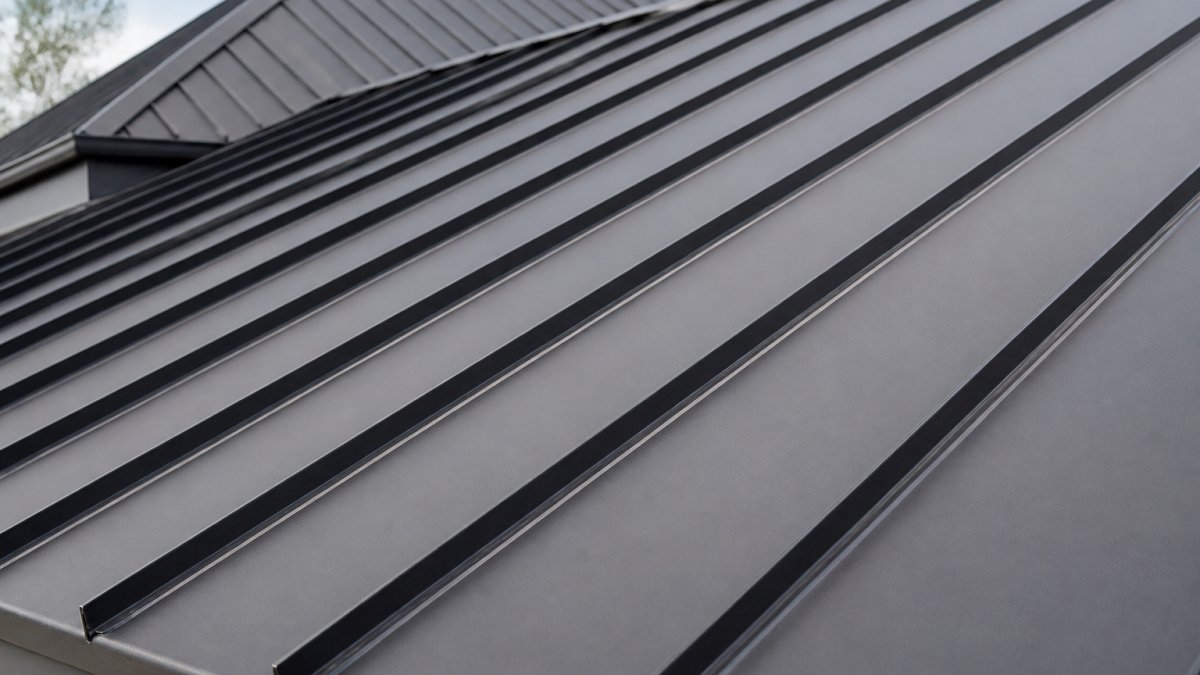
Standing seam panels feature raised vertical seams running the length of the roof. Panels interlock at these seams, with fasteners concealed beneath the raised edges, so water never sits on a fastener head and instead sheds down the panel face.
Single lock standing seams use mechanical clips that allow controlled thermal movement. Double lock standing seams, our specialty at Metal Masters Inc., add a second mechanical engagement that prevents panel separation under wind uplift or thermal stress while still allowing natural expansion and contraction.
Installation involves securing clips to the substrate, rolling panel edges over them, then mechanically locking the seams with specialized equipment. It requires precision and skilled labor but handles thermal movement without fastener fatigue.
How Exposed Fastener Panels Differ
Exposed fastener panels use visible neoprene-washer screws that penetrate through the panel into the roof structure. The screw head sits exposed, and the neoprene washer provides a weather seal.
This method is simpler and faster: no seaming equipment is required, installers simply position panels and drive screws, and labor costs and timelines are lower.
However, each fastener is a potential leak point. Neoprene washers degrade from UV exposure and thermal cycling, and when they fail, water migrates around the fastener into the roof assembly. Panel-to-panel connections also rely on fastener compression rather than interlocking mechanical seams.
Standing Seam Metal Roof Cost: Upfront Investment and Value
Standing seam metal roofing carries a higher upfront cost than exposed fastener panels: material costs are higher due to panel design and coatings, and installation labor is significantly higher because it requires trained technicians and specialized seaming equipment.
A standing seam metal roof installation involves tear-off, substrate repair, underlayment, panel fabrication, and precision seaming, each requiring coordination and skill. Exposed fastener systems skip seaming entirely, compressing the timeline and reducing labor hours.
However, lifecycle cost tells a different story. Standing seam roofs typically deliver 40-60 years with minimal maintenance, while exposed fastener roofs perform 20-30 years before fastener deterioration and corrosion accelerate failure.
Financing and warranty terms also differ: standing seam systems often qualify for extended financing because lenders recognize the longer service life, and warranties typically cover 25-30 years with manufacturer coverage on coating failure and material defects.
Exposed Fastener Roof Maintenance: What You Actually Need to Do
Exposed fastener roofs demand regular maintenance. Every 3-5 years, inspect fasteners for washer deterioration, corrosion, and loosening, since wind, thermal cycling, and UV exposure gradually degrade neoprene washers.
When washers fail, water infiltration follows. Maintenance means replacing deteriorated washers, re-sealing fasteners, and addressing panel corrosion, and this reactive work gets expensive if you wait until leaks appear.
Panel-to-panel seams also need attention: exposed fastener panels rely on sealant or overlap compression, and sealant cracks or loses adhesion over time, so seams need periodic re-sealing.
Corrosion protection is another factor. Painted exposed fastener panels can develop coating failure, especially around fasteners where the coating is disrupted; once coating fails, the metal corrodes and touch-up painting or panel replacement becomes necessary.
Standing seam roofs, by contrast, require minimal maintenance: annual inspections for debris, seam integrity, and drainage are sufficient.
Standing Seam Roof Lifespan: Durability and Long-Term Performance
A properly installed standing seam metal roof typically lasts 40-60 years or longer, with some exceeding 70 years. The concealed fastening system eliminates the primary failure points that compromise exposed fastener roofs.
Standing seam design handles thermal movement gracefully. Metal expands and contracts with temperature changes, sometimes by several inches across a large roof, and standing seam systems, particularly double lock designs, allow this without stressing fasteners or creating gaps.
Wind uplift resistance also favors standing seam systems: the mechanical interlock resists wind forces more effectively than fastener compression alone, which matters in storm-prone regions where uplift causes fastener failure and panel separation.
Coating durability depends on material. Copper and zinc develop natural patinas that protect the metal indefinitely and improve with age. Painted steel and aluminum need coating maintenance, though high-quality coatings last 20-30 years. Exposed fastener panels with failing coatings deteriorate faster because fastener holes stay vulnerable.
Double Lock Standing Seam Benefits: Why the Design Matters
Double lock standing seam technology adds a second mechanical engagement point to the panel interlock, creating two points of contact between the panel edge and the roof clip instead of one.
This dual engagement prevents panel separation under extreme wind uplift and eliminates panels "walking" along the seam during thermal cycling. Single lock systems can experience minor movement over decades as thermal stress accumulates; double lock systems prevent that cumulative movement.
The double lock design also improves water shedding: because panels are more rigidly connected, seam geometry stays consistent and water flows predictably without ponding or backing up into gaps.
Installation requires specialized equipment to create the double lock, so it costs more than single lock systems, but the added durability and wind resistance justify the premium on high-value properties or in severe weather areas.
Metal Masters Inc. specializes in double lock standing seam technology because the performance gains are substantial.
Appearance, Installation Complexity, and Climate Considerations
Aesthetic Differences and Architectural Impact
Standing seam roofs present a clean, modern aesthetic. Raised vertical seams create visual rhythm across the roof surface, a linear pattern that appeals to contemporary and minimalist design.
Concealed fasteners leave the roof face uninterrupted, with no visible screw heads or corrosion marks, which is one reason standing seam systems command premium pricing in high-end residential markets.
Exposed fastener panels create a different character: visible fasteners and panel overlaps read as utilitarian, suiting agricultural, industrial, and some commercial applications, though they're often considered less refined for residential projects emphasizing architectural quality.
Both systems offer color and finish options. Standing seam panels can be painted or fabricated from copper, zinc, or weathering steel; exposed fastener panels are typically painted steel or aluminum. Both achieve quality finishes, but standing seam's concealed fasteners prevent the visual distraction of corrosion or washer failure.
Installation Methods and Labor Requirements
Standing seam installation begins with substrate preparation: the existing roof is removed, damaged decking replaced, and quality underlayment installed. This foundation is critical because standing seam systems rely on a solid, dry substrate.
Panels are fabricated to length, on-site or off-site, and rolled to create the standing seam profile.
This process requires trained technicians, and the expensive seaming equipment must be operated correctly to create consistent, watertight seams. Installation takes longer than exposed fastener systems because each seam is individually created and verified.
Exposed fastener installation is faster and simpler: panels are positioned and fasteners driven through them into the substrate, with no seaming equipment required, reducing labor costs.
However, installation quality matters just as much for exposed fastener systems. Fastener spacing, tension, and panel overlap must all be precise; over-tightening, inconsistent spacing, or inadequate overlap accelerates failure.
Climate-Specific Performance and Site Conditions
Standing seam systems perform well across all climates: in cold climates, thermal movement accommodation prevents fastener stress and seam separation, and in hot climates, concealed fasteners keep washers out of direct sunlight.
In high-wind regions, standing seam systems, particularly double lock designs, resist uplift better than fastener-dependent systems because the mechanical interlock provides primary wind resistance, not fastener compression.
Exposed fastener systems struggle in harsh climates: salt spray corrodes fasteners and washers, high winds stress fasteners as the primary load-bearing elements, and temperature extremes accelerate washer deterioration and loosening.
Substrate condition also influences choice. Compromised decking requires repair before standing seam installation, while exposed fastener systems can sometimes go over existing roofs with minimal substrate work.
| Factor | Standing Seam | Exposed Fastener |
|---|---|---|
| Fastener location | Concealed beneath seams | Visible on panel surface |
| Thermal movement | Accommodated by design | Stresses fasteners |
| Water infiltration risk | Low, fasteners sealed | Higher, fastener washers degrade |
| Installation complexity | High, requires specialized equipment | Low, straightforward screw installation |
| Upfront cost | Higher | Lower |
| Service life | 40-60+ years | 20-30 years |
| Maintenance requirements | Minimal, annual inspection | Regular, fastener and seam inspection |
| Wind uplift resistance | Excellent, mechanical interlock | Good, fastener dependent |
| Coastal climate performance | Excellent, fasteners protected | Fair, fasteners corrode |
| Aesthetic appeal | Modern, clean appearance | Utilitarian appearance |
Making Your Choice: Which System Fits Your Project
Choose standing seam metal roofing if you're investing in a high-value property, staying long-term, or in a harsh climate.
Choose exposed fastener panels if you need lower upfront cost and faster installation and are willing to budget for regular maintenance. They work well for agricultural, industrial, and some commercial applications where appearance is secondary to function.
Climate and site conditions should heavily influence your decision.
Budget for lifecycle costs, not just installation: a standing seam system lasting 50 years costs less per year than an exposed fastener system lasting 25, even with a higher upfront price.
When you're ready to explore standing seam metal roofing for your project, Metal Masters Inc. can walk you through double lock standing seam systems, substrate requirements, and custom fabrication options.
Frequently Asked Questions
What is the main difference between standing seam and exposed fastener metal roofing?
Standing seam metal roofing uses concealed fasteners hidden beneath raised seams that interlock panels together, while exposed fastener panels use visible screws driven through the panel face. This design difference affects water infiltration risk, maintenance needs, and appearance. Standing seam systems eliminate screw holes that can deteriorate over time, making them more resistant to leaks and weather penetration. Exposed fastener panels rely on neoprene washers around each screw to prevent water entry, which can degrade and require periodic inspection.
How long does a standing seam roof lifespan typically extend compared to exposed fastener panels?
Standing seam metal roofs often deliver 40-50 years or more of service life, while exposed fastener panels typically last 20-30 years. The difference stems from fastener durability. Concealed fasteners in standing seam systems avoid direct weather exposure, reducing corrosion and deterioration. Exposed fastener screws face constant UV, moisture, and temperature cycling, which degrades the neoprene washers and can lead to fastener failure. Material quality, coating type, and maintenance practices also influence actual lifespan in both systems.
What are the main benefits of double lock standing seam technology?
Double lock standing seam systems use a mechanical interlock on both sides of the vertical seam, creating a dual-lock connection that resists wind uplift, thermal movement, and water infiltration more effectively than single-lock designs. This design accommodates expansion and contraction without stressing fasteners and improves overall weather resistance. The concealed fastener approach eliminates screw-related leak points entirely, making double lock standing seam a premium choice for high-end residential and commercial applications where durability and appearance are priorities.
Why does exposed fastener roof maintenance matter more than standing seam maintenance?
Exposed fastener panels require regular inspection and maintenance because fastener deterioration directly threatens roof integrity. Screws and neoprene washers degrade from UV exposure and thermal cycling, allowing water infiltration around fastener holes. Standing seam roofs need minimal maintenance because fasteners are concealed and protected, though periodic inspection of seams, flashing, and substrate condition is still prudent. This maintenance difference translates to lower long-term costs and reduced repair risk with standing seam systems.