 ultimate-guide
Double Lock Standing Seam: Benefits & Installation Guide
Table of Contents
- What Is Double Lock Standing Seam Roofing
- Double Lock Standing Seam vs Single Lock: Key Differences
- Weather-Tightness and Wind Uplift Resistance
- Standing Seam Roof Minimum Slope Requirements
- Standing Seam Metal Roof Installation Best Practices
- Standing Seam Metal Roof Lifespan and Durability
- When Double Lock Standing Seam Is Not the Best Choice
- Frequently Asked Questions
Last Updated: October 18, 2026
What Is Double Lock Standing Seam Roofing
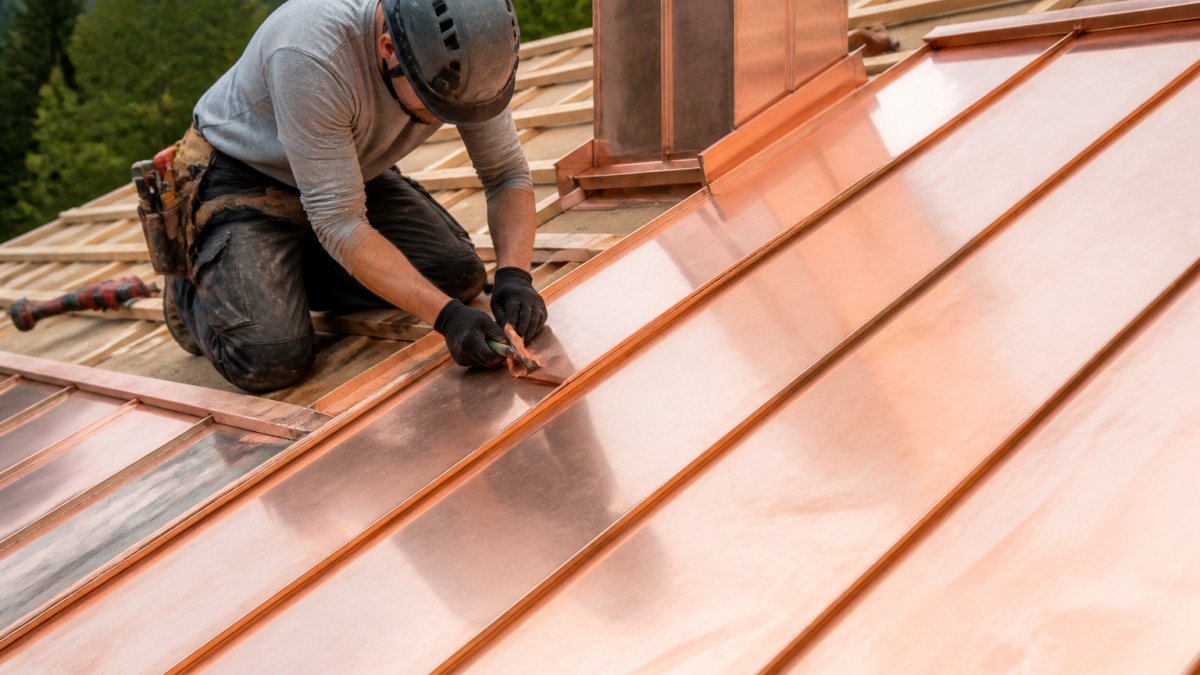
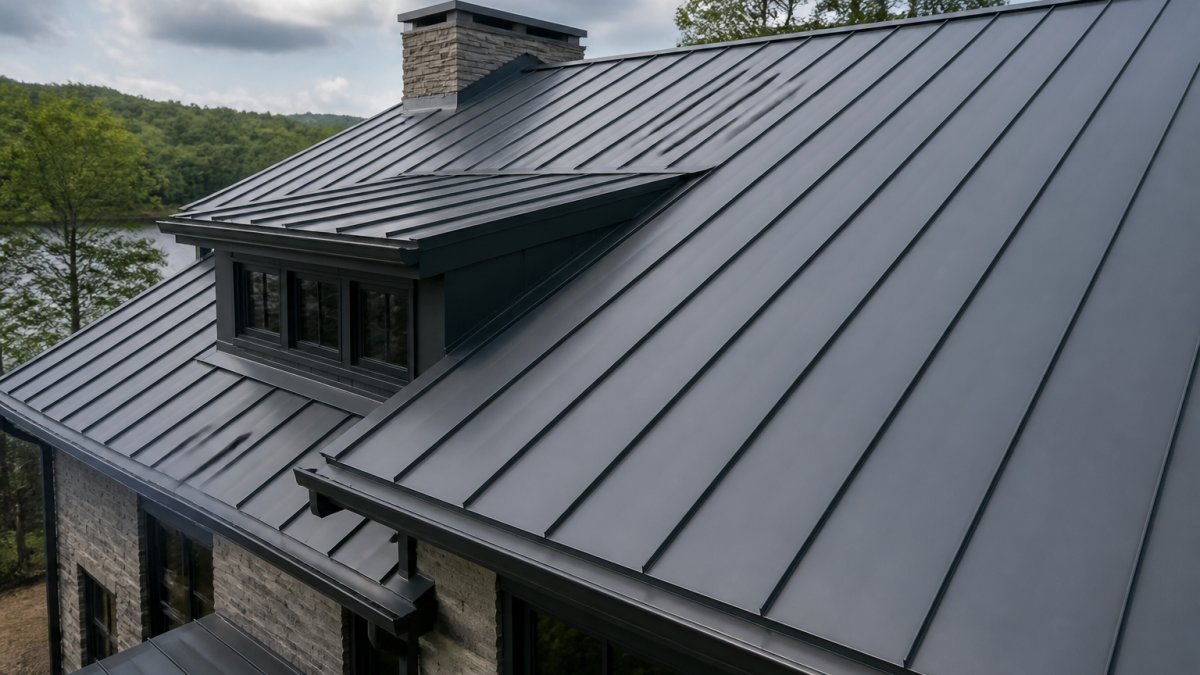
Double lock standing seam is a metal roofing system where adjacent panels interlock using a mechanical seam that creates a fully concealed, weather-tight connection. Unlike traditional roofing that relies on exposed fasteners, this system uses a double-fold seam profile where two panels are mechanically crimped together, eliminating penetration points that could allow water infiltration.
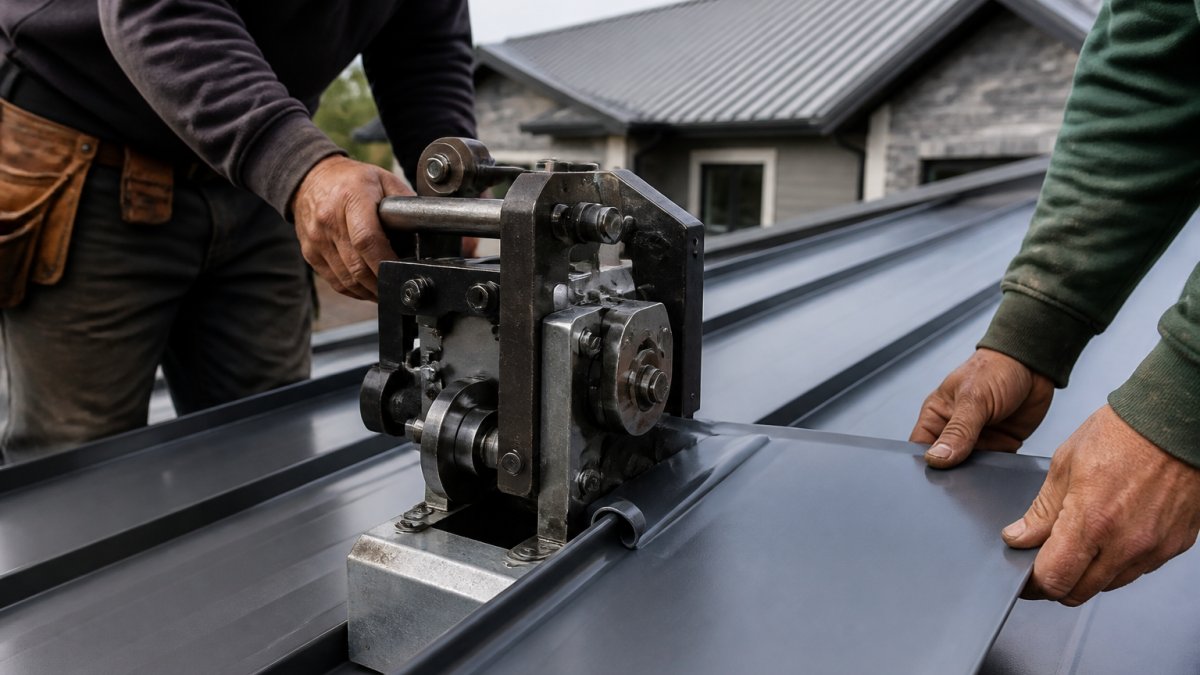
The mechanical seam is the defining feature; it's not just folded by hand but formed using precision seaming machines that apply consistent pressure and geometry to every connection point.
How the Mechanical Seam Forms
The seam creation process begins when two adjacent panels are positioned edge-to-edge. A specialized seaming machine clamps and folds the panel edges together in a controlled sequence. The first fold brings the edges inward at approximately 90 degrees, then the second fold completes the lock by pressing the folded edges flat against the panel body.
The precision of this process matters enormously. Inconsistent fold geometry, improper clamp pressure, or machine misalignment creates weak points where water can seep past the seam. This is why seaming machine calibration and operator skill directly affect roof performance and longevity.
The 180-Degree Fold Advantage
The complete 180-degree fold in a double lock seam accomplishes two things simultaneously: it conceals all fasteners and creates mechanical strength through geometry. Water cannot run horizontally along the seam because the fold redirects it downward. Wind cannot lift the seam because the interlock prevents panel separation at the connection point.
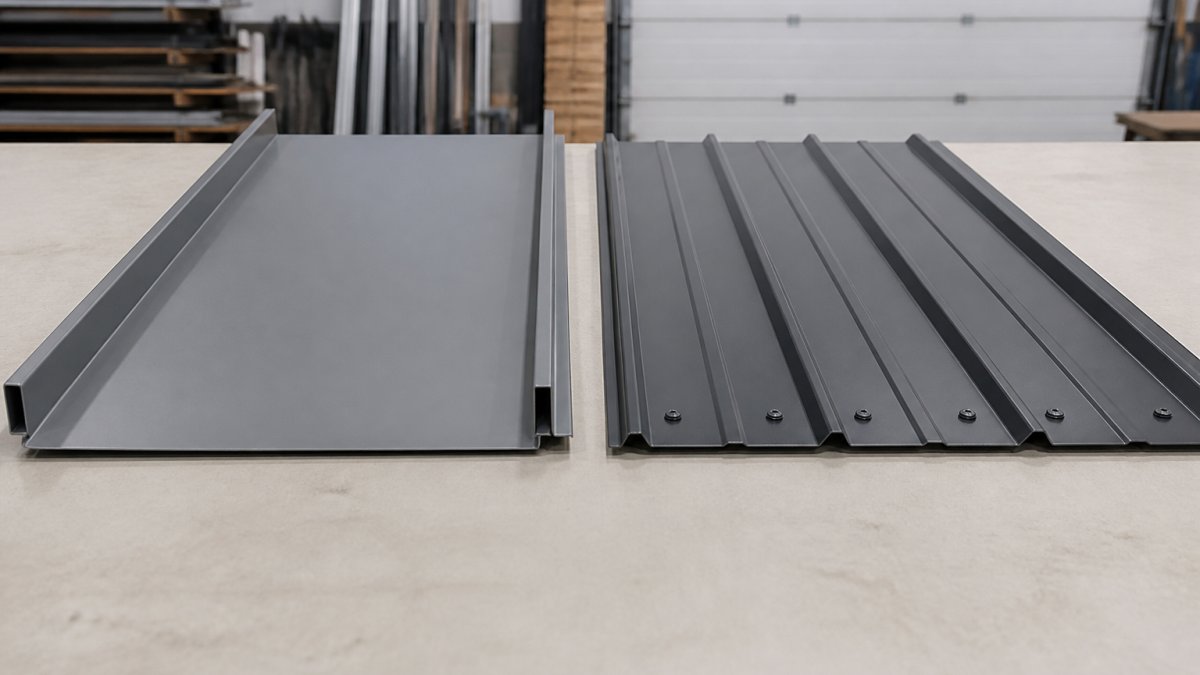
Single-lock systems (which fold only 90 degrees) leave one edge partially exposed and rely more heavily on sealant to prevent water entry. Double lock eliminates this vulnerability by creating a fully enclosed seam where sealant is a secondary defense, not the primary one.
Double Lock Standing Seam vs Single Lock: Key Differences
The core difference between double lock and single lock standing seam comes down to seam geometry and how each system manages water and wind forces.
Seam Strength and Water Resistance
Double lock seams create a fully enclosed interlocking connection where both panel edges are folded and crimped together. This geometry prevents water from traveling horizontally along the seam interface.
In wet environments or on roofs with shallow slopes where water moves slowly across the surface, the double lock's mechanical barrier outperforms single lock. According to industry benchmarks, properly installed double lock standing seam systems offer superior resistance to wind-driven rain compared to single-lock systems.
Wind uplift resistance also favors double lock. The mechanical interlock prevents panel separation under negative pressure, whereas single-lock panels can separate at the seam if wind pressure exceeds the sealant's adhesive strength. Statistics on wind uplift resistance of metal roofing systems
Cost and Installation Complexity
Single-lock systems cost less because they require less material (one fold instead of two) and simpler seaming equipment. Double lock standing seam requires more precise machinery, higher operator skill, and longer installation time per linear foot of seam.
However, lifecycle cost often favors double lock. Reduced maintenance, longer intervals between sealant reapplication, and fewer callbacks for water leaks offset the higher initial cost for many property owners. The trade-off depends on project timeline, budget constraints, and expected building lifespan.
Weather-Tightness and Wind Uplift Resistance
Double lock standing seam systems excel in high-wind and wet-climate applications because the mechanical seam resists both water penetration and panel separation.
Wind uplift forces test the seam's mechanical strength. Double lock systems resist uplift because the interlock prevents the panel edges from separating. Single-lock seams can separate under sustained negative pressure, especially if sealant has degraded or was applied inconsistently during installation.
In coastal regions, freeze-thaw cycles, and areas with frequent heavy rain, double lock's superior weather-tightness reduces the risk of interior water damage and structural deterioration. For instance, the National Building Code of Canada specifies stringent requirements for wind resistance in different regions, which double lock systems are well-equipped to meet.
Standing Seam Roof Minimum Slope Requirements
Standing seam metal roofing can be installed on low-slope roofs that would be unsuitable for traditional asphalt or tile, but minimum slope requirements exist to ensure proper water drainage and system performance.
Profile-Specific Slope Guidance
The minimum slope depends on the seam profile geometry and the roof assembly beneath it. Shallow-profile systems (with lower standing seams) typically require steeper minimum slopes because water moves more slowly across the panel surface.
Many double lock systems perform adequately on roofs with slopes as shallow as 3 degrees (approximately 0.5 inches of rise per 12 inches of horizontal run). However, for optimal performance and to mitigate potential issues like ice damming in colder climates, a steeper slope is always preferable. Minimum slope requirements for metal roofing
Metal Masters Inc. recommends consulting with a structural engineer or roofing professional to confirm minimum slope for your specific profile, roof assembly, and climate zone.
Roof Drainage and Water Shedding
Water shedding efficiency improves with slope. On steeper roofs, water moves quickly across the panel surface and exits through gutters or drip edges before it can pool or seep into seams. On shallow slopes, water moves more slowly, which increases the time available for water to find weak points in the seam or around penetrations.
Proper gutter sizing and downspout placement are critical on low-slope standing seam roofs. Undersized gutters cause water to back up onto the roof surface, defeating the benefits of the mechanical seam.
Standing Seam Metal Roof Installation Best Practices
Installation quality determines whether a double lock standing seam roof delivers its promised durability and weather-tightness. Poor installation can undermine even the best seam design.
Panel Layout and Seaming Machine Precision
Panel layout should minimize seams by using the longest panels practical for the roof dimensions. Fewer seams mean fewer potential leak points. Industry best practices, often guided by standards like CSA A123.21, emphasize proper panel alignment and overlap.
Seaming machine setup is critical. The machine must be calibrated to apply consistent clamp pressure, maintain proper fold geometry, and produce uniform seam height. Machines that are out of calibration produce weak seams with incomplete locks or inconsistent fold angles. For example, a seaming machine not properly adjusted could result in a seam that is too loose or too tight, compromising its integrity.
Panel alignment affects both aesthetics and performance. Panels must be square to the roof edge and parallel to adjacent panels.
Common Installation Failures and Quality Inspection
Oil canning, visible waviness in the panel surface, is a common concern with metal roofing. It occurs when panel material is too thin, when panels are oversized for the support structure, or when panels are over-crimped during seaming. While often cosmetic, severe oil canning can indicate underlying material or installation issues.
Incomplete seam locks are another failure mode. A seam that appears properly formed from above might have gaps or weak points in the geometry that allow water infiltration. Regular quality inspections, including visual checks and sometimes even water tests, are crucial to catch these issues before they become problems.
Penetration flashing is where most standing seam roofs leak. Vents, skylights, and HVAC equipment must be flashed with custom metal components that integrate with the standing seam system, following guidelines from organizations like the Canadian Roofing Contractors Association.
Standing Seam Metal Roof Lifespan and Durability
Double lock standing seam roofs can last 40-70 years depending on material choice, climate, installation quality, and maintenance. The mechanical seam's durability exceeds single-lock systems because it does not rely on sealant longevity. Average lifespan of metal roofing materials
Material Choices: Zinc, Copper, Steel, and Aluminum
Zinc (often galvanized steel) is a common choice for residential and commercial standing seam roofs, offering good corrosion resistance and a long service life.
Copper is a premium choice for high-end residential and architectural applications. Copper develops a protective patina over time and can last 100+ years with minimal maintenance.
Steel (painted or coated) offers durability and affordability. Quality paint systems protect steel from rust and can last 20-30 years, depending on the coating system and environmental exposure. For example, a high-performance paint system like Kynar 500 can offer significantly longer protection.
Aluminum is lightweight and naturally corrosion-resistant, making it suitable for coastal environments. Aluminum is less rigid than steel, so panel thickness and support spacing must be carefully engineered to prevent excessive flexing or oil canning.
Climate Considerations and Maintenance
In freeze-thaw climates, standing seam roofs experience thermal cycling that stresses seams and fasteners. Proper slope and drainage become even more critical because standing water freezes and creates ice dams. Material choice matters; some metals are more susceptible to thermal expansion and contraction.
In wet climates with frequent rain, double lock's weather-tightness advantage is most apparent. Sealant-dependent systems (single-lock) require more frequent inspection and sealant reapplication. Adhering to maintenance schedules recommended by manufacturers, such as those provided by the Canadian Sheet Metal Contractors Association, is key to maximizing lifespan.
Maintenance typically includes annual inspection for debris accumulation, gutter cleaning, and verification that flashing and sealants remain intact. Painted finishes may require touch-up painting every 10-15 years. Zinc-coated systems rarely need maintenance beyond inspection.
When Double Lock Standing Seam Is Not the Best Choice
Double lock standing seam is not universally ideal. Budget constraints, architectural requirements, or climate factors sometimes favor alternative systems.
If the roof has many penetrations (multiple vents, skylights, or HVAC equipment), the complexity of custom flashing increases cost and installation risk. In such cases, a more conventional roofing material might be more cost-effective.
If the roof slope is very steep (above 12:12 pitch), traditional asphalt shingles or tile may offer better aesthetics and lower cost, as the performance benefits of standing seam are less critical at extreme pitches.
Architectural considerations matter too. Some building designs call for a specific appearance that standing seam cannot deliver, such as the textured finish of natural slate or the rounded profile of certain shingle types.
Double lock standing seam roofing delivers superior weather-tightness, wind resistance, and durability compared to single-lock systems, making it ideal for custom residential and commercial projects where long-term performance justifies the higher initial investment. At Metal Masters Inc., we specialize in precision installation of double lock standing seam systems using copper, zinc, painted aluminum, and steel.
Frequently Asked Questions
What is a double lock standing seam?
A double lock standing seam is a metal roofing profile where two seams are mechanically folded together at 180 degrees, creating a watertight barrier with no exposed fasteners. The seaming machine interlocks the male and female profiles, trapping both sides of the seam fold. This design delivers superior weather-tightness and wind uplift resistance compared to single-lock or snap-lock systems, making it the premium choice for high-performance roofing.
How does double lock standing seam differ from single lock?
Single-lock seams fold only one side of the panel profile, leaving a single fold point vulnerable to water penetration under extreme weather. Double lock seams fold both sides, creating two mechanical locks that interlock. This dual-lock design provides significantly higher seam strength, better weather resistance in wet environments and freezing conditions, and superior wind uplift performance. Single-lock systems cost less but offer lower durability and weather-tightness, making double lock the better choice for premium installations.
What roof slope is suitable for double lock standing seam?
Double lock standing seam roofing typically requires a minimum roof pitch of 3 degrees (approximately 1:20 slope) for proper water shedding and drainage. Steeper slopes improve performance and accelerate water runoff, especially in wet or freezing climates. The exact minimum depends on the seam profile, roof assembly, and local weather patterns. Consult with your metal roofing specialist to confirm the appropriate minimum slope for your specific roof design and climate zone.
How long does a standing seam metal roof last?
Standing seam metal roofs typically last 40-70 years depending on material and climate. In freezing or wet environments, regular inspections and minor maintenance extend longevity. Double lock seams reduce leak risk, supporting the roof's full lifespan potential. Material choice and installation quality are critical factors in achieving these performance benchmarks.
Does double lock standing seam require specialized installation?
Yes, double lock standing seam installation requires precision seaming machines and trained technicians. The mechanical lock formation must achieve exact fold angles and pressure to create a watertight seal. Poor seaming results in weak seams and potential water penetration. Panel layout, thermal movement accommodation, and flashing details also demand expertise. Hiring experienced metal roofing contractors ensures proper installation, inspection, and long-term performance. Specialized installation is a key reason double lock systems command premium pricing.
Is double lock standing seam more weather-resistant than snap-lock roofing?
Yes, double lock standing seam delivers superior weather-tightness compared to snap-lock profiles. Snap-lock systems use a single mechanical clip without a full seam fold, relying on the clip's tension alone. Double lock creates a continuous watertight barrier through dual-fold seam geometry, providing better water penetration resistance, higher wind uplift performance, and improved durability in harsh weather. For high-end residential projects in wet or windy climates, double lock's weather-tightness advantage justifies the higher cost.
What materials work best with double lock standing seam systems?
Zinc, copper, painted steel, and painted aluminum all work with double lock standing seam profiles. Zinc and copper offer the longest lifespans and natural weathering beauty but cost more. Painted steel provides durability at lower cost but requires coating maintenance. Aluminum suits coastal environments where corrosion resistance matters. Material choice depends on aesthetics, budget, climate, and maintenance tolerance. Copper and zinc are popular for premium custom installations where longevity and appearance justify the investment.
Can oil canning occur with double lock standing seam roofing?
Oil canning (visible waviness in flat panel areas) can occur with any standing seam system, including double lock, but is primarily a visual issue rather than a performance defect. It results from thermal movement, panel flatness tolerances, and substrate irregularities. Double lock seams do not prevent oil canning, but proper installation practices (including correct substrate preparation and thermal gap accommodation) minimize its appearance. High-quality installation and material selection reduce the likelihood of noticeable oil canning in residential applications.