 how-to
How Can You Prevent Oil Canning on Standing Seam Roofs?
Last Updated: October 26, 2026
Quick Summary
To prevent oil canning on standing seam roofs, use narrower panels with multiple stiffening ribs, ensure a flat and stable substrate, and install with proper fastener tension that allows for thermal expansion. Thicker 24-gauge metal and double lock seam systems also significantly reduce oil canning risk.
- Narrower panels resist oil canning better than wider panels.
- Panels with 3+ deep stiffening ribs distribute stress evenly and stay flatter.
- Fasteners must be snug but loose enough to allow thermal expansion and panel movement.
- 24-gauge metal is stiffer and more durable than 26-gauge or 29-gauge for preventing oil canning.
- A flat, stable substrate is essential; any deck movement or unevenness transfers directly to panels.
Table of Contents
- What Causes Oil Canning on Standing Seam Roofs
- Understanding Standing Seam Roof Substrate Flatness
- How Standing Seam Panel Width and Oil Canning Relate
- The Role of Metal Roof Panel Striations and Stiffening Ribs
- Installation Techniques to Minimize Oil Canning
- Material Selection and Quality Standards
- Getting Your Standing Seam System Installed Right
- Frequently Asked Questions
What Causes Oil Canning on Standing Seam Roofs
Oil canning on standing seam roofs happens when the flat panels develop visible waves or ripples that look like the surface of water. This occurs because metal panels naturally want to move and flex. When they're installed without proper support or under stress, they buckle inward and outward in a wavy pattern.
The main culprits are substrate movement, improper fastening, and panel width. If the roof deck shifts or settles unevenly, the panels above it will follow. When fasteners are too tight or too loose, the panels can't move freely, and stress builds up. Wider panels are more prone to oil canning because they have more surface area to flex.
Understanding what causes oil canning is the first step to learning how to prevent oil canning on standing seam roofs. The good news is that oil canning is mostly preventable with the right approach during installation and material selection.
Understanding Standing Seam Roof Substrate Flatness
A flat, stable substrate is your foundation for preventing oil canning. The roof deck underneath the standing seam panels must be level and properly supported. Any dips, humps, or soft spots will transfer directly to your metal panels.
Before installation begins, inspect the entire substrate:
- Check for sagging or movement in the deck
- Look for areas where the deck is uneven or warped
- Verify that all support beams and trusses are properly aligned
- Ensure the deck is dry and free of debris
If the substrate isn't flat, the panels will reflect every imperfection. A substrate that moves even slightly will cause the panels to wave. This is why proper carpentry work matters as much as the metal itself. Many contractors skip this step or rush through it, but substrate preparation determines whether your roof will stay smooth for decades.
How Standing Seam Panel Width and Oil Canning Relate
Narrower panels resist oil canning better than wider ones. The wider the flat section of the panel, the more it can flex and wave. Panel width directly affects how much stress the metal experiences during temperature changes and under wind pressure.
Common panel widths are specified based on project requirements and performance needs. Here's how width affects performance:
| Panel Width | Oil Canning Risk | Best Use Case |
|---|---|---|
| Narrow (e.g., 12 inches) | Low | High wind areas, steep pitches |
| Medium (e.g., 16 inches) | Moderate | Mixed conditions, standard installations |
| Wide (e.g., 20 inches) | Higher | Calm climates, low-stress applications |
| Very Wide (e.g., 24 inches) | Highest | Rare; specialty applications only |
Wider panels look cleaner on a roof because there are fewer seams. But that visual benefit comes with a trade-off: wider panels are more prone to visible waves. If preventing oil canning is your priority, narrower panels are the better choice. They're stiffer and more resistant to the flexing that creates waves.
The choice of panel width depends on your climate, wind exposure, and aesthetic preferences. In areas with heavy wind or temperature swings, narrower panels perform better. In calm climates, you can get away with wider panels if you're willing to accept some oil canning risk.
The Role of Metal Roof Panel Striations and Stiffening Ribs
Stiffening ribs are the raised lines running along the length of a standing seam panel. These ribs add structural rigidity to the metal, making the panel stiffer and more resistant to flexing. More ribs mean better resistance to oil canning.
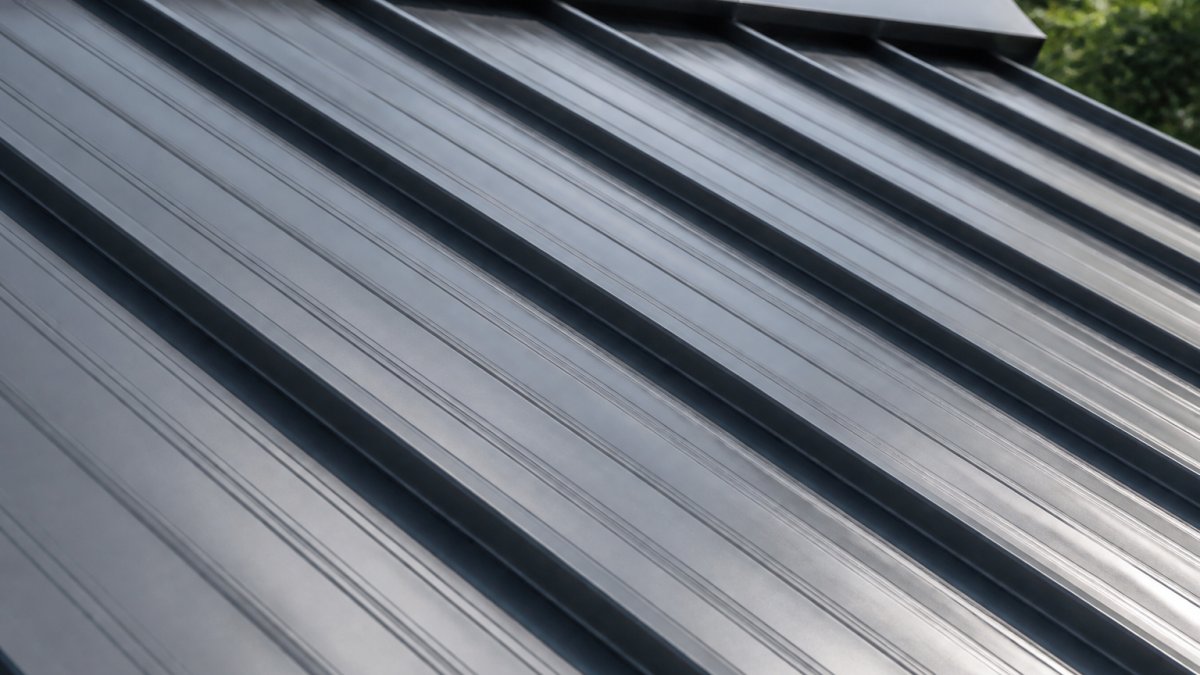
Panels with multiple ribs perform better than flat or single-rib designs. The ribs distribute stress across the panel width, preventing the flat sections from waving. A panel with three or four ribs will stay flatter than a panel with one rib, all else being equal.
Look for panels with:
- Multiple stiffening ribs (3+ is ideal)
- Deep, well-formed ribs that add real structural support
- Consistent rib spacing to distribute stress evenly
The quality of the ribs matters too. Shallow ribs don't add much stiffness. Deep, properly engineered ribs make a real difference in performance. This is where material quality shows itself. Cheap panels often have minimal ribs designed only for appearance, not function.
Installation Techniques to Minimize Oil Canning
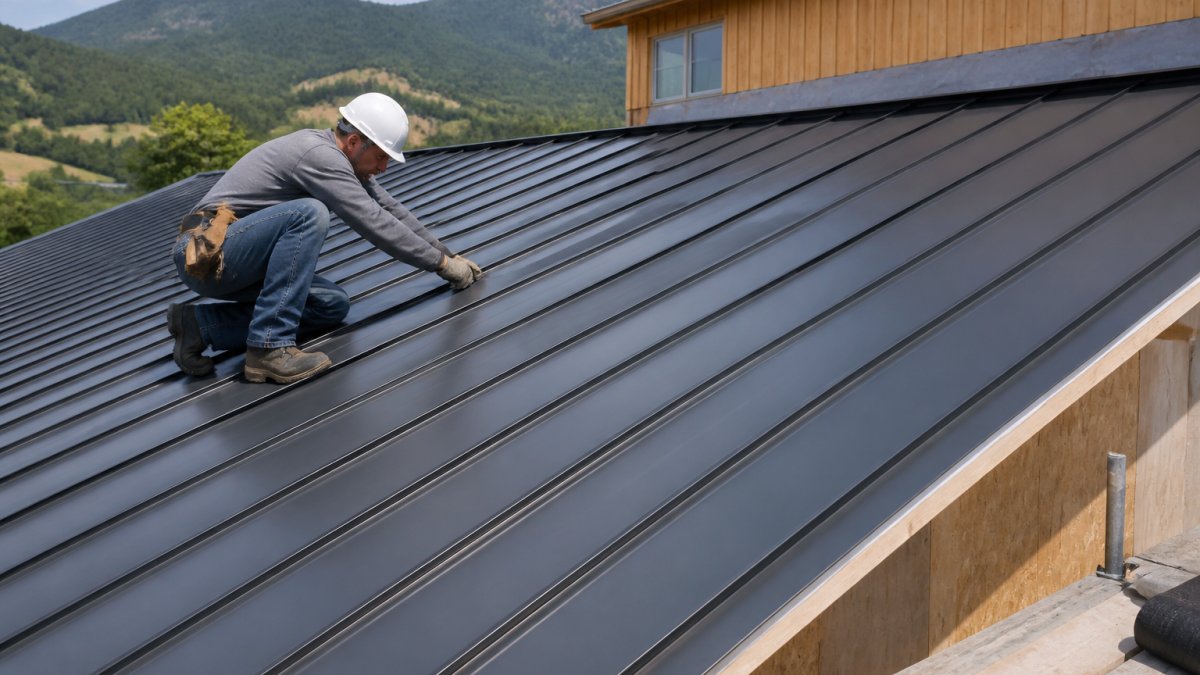
Proper installation is where most oil canning problems are prevented or created, making it essential to prevent oil canning on standing seam systems from the start. Even the best panels will wave if they're installed incorrectly. The key is allowing the metal to move naturally while keeping it supported.
Fastener Placement and Tension
Fasteners must be tight enough to hold the panel in place but loose enough to allow for thermal expansion. Over-tightening is one of the biggest mistakes. When fasteners are cranked down too hard, the panel can't move as temperatures change. Stress builds up, and the panel buckles.
Use these fastening guidelines:
- Tighten fasteners to snug, not maximum force
- Leave slight play in the fastener so the panel can shift
- Space fasteners evenly along the seam
- Avoid fastening at the very edges of the panel
Seam Design and Locking Mechanisms
Double lock standing seam systems offer better oil canning resistance than single lock systems. The double lock provides more surface contact and distributes stress more evenly.
The seam must allow for panel movement while maintaining a watertight connection. A properly designed seam lets the panel expand and contract without creating stress points that trigger oil canning.
Thermal Expansion Accommodation
Metal expands and contracts with temperature changes. A panel that's 20 feet long can expand or contract by several inches over a year. If the installation doesn't account for this movement, stress builds up and creates waves.
Install panels with:
- Floating fasteners that allow side-to-side movement
- Proper expansion gaps at panel ends
- Clips that hold the panel but don't restrict movement
- Sufficient clearance at panel edges
Roof Pitch and Panel Support
Steeper roofs drain water better and provide better support for panels. A roof with a 6:12 pitch or steeper is ideal for standing seam systems. Shallow pitches (under 3:12) put more stress on panels and increase oil canning risk.
On shallow-pitch roofs, you need:
- More frequent support points under the panels
- Stiffer panels with more ribs
- Closer fastener spacing
- More careful attention to thermal movement
Material Selection and Quality Standards
The metal you choose affects oil canning risk. Not all standing seam panels are created equal. Material thickness, rib design, and metal type all influence performance.
Metal Gauge and Thickness
Thicker metal resists oil canning better than thin metal. A 24-gauge panel is stiffer than a 26-gauge panel of the same width. The difference in thickness is small, but the structural difference is real.
Standard gauges for standing seam roofing:
- 24-gauge: Most durable, best for preventing oil canning
- 26-gauge: Common choice, good balance of cost and performance
- 29-gauge: Budget option, higher oil canning risk
For permanent installations where oil canning prevention matters, 24-gauge is worth the investment. The extra stiffness pays off in a smoother-looking roof that stays smooth.
Metal Type and Properties
Copper, zinc, and painted aluminum all have different stiffness characteristics. Copper is naturally stiffer than aluminum, which helps prevent oil canning. Zinc offers good stiffness and durability. Painted aluminum is lighter but requires careful installation to minimize waves.
Choosing the right metal for your climate and application is important. Standing seam vs exposed fastener metal roofing comparison helps you understand the structural differences between system types. The standing seam design itself is superior for oil canning resistance, but material selection refines that advantage.
Quality Control and Manufacturing Standards
Panels from reputable manufacturers are made to tighter tolerances. This means ribs are more consistent, flatness is better, and performance is more predictable. Budget panels often have inconsistent rib depth and surface flatness, which increases oil canning risk.
Look for panels manufactured to:
- Consistent gauge thickness across the entire panel
- Uniform rib spacing and depth
- Flat surfaces without dents or warping
- Quality coatings that protect the metal
Getting Your Standing Seam System Installed Right
The difference between a roof that stays smooth and one that waves comes down to execution. Every step of installation matters: substrate prep, fastener placement, thermal accommodation, and quality control.
When you're planning a standing seam roof project, start with a contractor who understands these details. Ask about their approach to substrate preparation, fastener tension, and thermal expansion. A contractor who rushes through these steps will likely end up with oil canning problems.
Metal Masters Inc. works with homeowners, general contractors, builders, and architects on custom metal roofing projects that demand precision craftsmanship.
If you're concerned about oil canning on a future roof project, the time to plan is now. Start with a conversation about your specific situation, your climate, and your aesthetic goals.
Metal Masters Inc. specializes in double lock standing seam technology. Get a Free Quote today.
Frequently Asked Questions
What causes oil canning on standing seam roofs?
Oil canning occurs when standing seam panels develop visible waves or ripples in flat areas between the seams.
How does standing seam panel width and oil canning relate to each other?
Wider panels are more prone to oil canning because they have larger unsupported flat areas between the seams. As the metal expands and contracts, wider panels flex more noticeably. Narrower panels distribute stress over shorter spans, reducing visible waviness. Panel width is specified during design based on the roof's thermal exposure, slope, and substrate conditions. Choosing the right width for your climate and roof orientation is critical to minimizing oil canning. Metal Masters Inc. selects panel widths based on your specific project conditions to prevent this issue.
Do striations and stiffening ribs actually reduce oil canning?
Yes. Stiffening ribs are reinforcing elements pressed or formed into the panel surface to increase rigidity and reduce flex in the flat areas. Striations (fine grooves or patterns) also add structural stiffness by breaking up large flat surfaces. These features resist the thermal movement that causes waviness. Thicker gauge metal combined with well-designed stiffening ribs significantly reduces oil canning visibility. The quality of these details varies between manufacturers, so specifying panels with strong stiffening systems is part of a comprehensive oil canning prevention strategy.
Can oil canning be fixed after a standing seam roof is installed?
Oil canning cannot be permanently fixed after installation. The waviness will persist as long as thermal cycling continues. Prevention during design and installation is the only effective solution. This is why substrate preparation, panel selection, fastening method, and installation technique are so critical. If oil canning appears after installation, it indicates that one or more of these factors was not optimized. Choosing a contractor with expertise in double lock standing seam systems, like Metal Masters Inc., ensures these details are handled correctly from the start.