 How-to
How to Understand Why Architectural Metal Fabrication Costs More
Last Updated: November 14, 2026
Quick Summary
Architectural metal fabrication costs more because every panel is engineered for one building, one profile and one finish, so the premium comes from precision, not markup. Custom metal fabrication cost reflects material selection, design complexity, tolerances and the labor hours needed to get each detail right.
- Material choice sets the floor of your custom metal fabrication quote, since copper, zinc, painted aluminum and steel each carry their own labor profile.
- A one-off project with dozens of unique shapes has almost no repeat production to absorb setup cost.
- Ask how many labor hours are in a quote before you compare totals.
- A readable quote separates material, labor, finishing, equipment and overhead, so ask for a cost breakdown by line.
- Design changes after release are typically costly, because they restart engineering and tooling.
Table of Contents
- What Drives Custom Metal Fabrication Cost
- Why Skilled Labor and Craftsmanship Raise Architectural Metal Fabrication Costs
- How to Read a Custom Metal Fabrication Quote
- Metal Fabrication Design for Manufacturability: Where Cost Is Locked In
- How to Reduce Sheet Metal Fabrication Costs Without Cutting Quality
- Standard Fabrication vs. Custom Architectural Fabrication
- Requesting a Quote for Your Architectural Metal Project
- Frequently Asked Questions
What Drives Custom Metal Fabrication Cost
Architectural metal fabrication costs more than standard sheet metal work because every panel is engineered for one building, one profile and one finish. For an overview of how custom architectural sheet metal fabrication works, start there. The premium comes from precision, not markup. Custom metal fabrication cost reflects material selection, design complexity, tolerances and the labor hours needed to get each detail right.
Standard shops bend metal to a catalog profile. Architectural work starts from shop drawings, then builds backward to the material. That reversal is where the money goes.
Canadian Sheet Steel Building Institute technical resources publishes guidance on how sheet steel performance depends on grade, coating and forming, which is exactly where architectural specs diverge from commodity work.
Material Type, Grade, and Availability
Material choice sets the floor of your custom metal fabrication quote. Copper, zinc, painted aluminum and steel behave differently in forming, expansion and finishing, so each carries its own labor profile. Metal grade and material thickness affect how the panel bends, how it welds and how much scrap a mistake creates. Material availability matters too: a specialty coil in a non-standard width can add lead time and waste.
Design Complexity and Tolerances
Intricate design is the quiet cost driver. A profile with multiple bends, returns and concealed fasteners takes more setup time and more skilled hands per panel. Tight tolerances multiply that. Precision work means test-fitting, measuring twice and accepting slower production. A one-off project with dozens of unique shapes has almost no repeat production to absorb setup cost, so every panel carries its own tooling and layout time.
Why Skilled Labor and Craftsmanship Raise Architectural Metal Fabrication Costs
Skilled labor is a major part of architectural metal fabrication. Craftsmanship shows up in seams that lock cleanly, corners that meet without filler and panels that stay flat after installation.
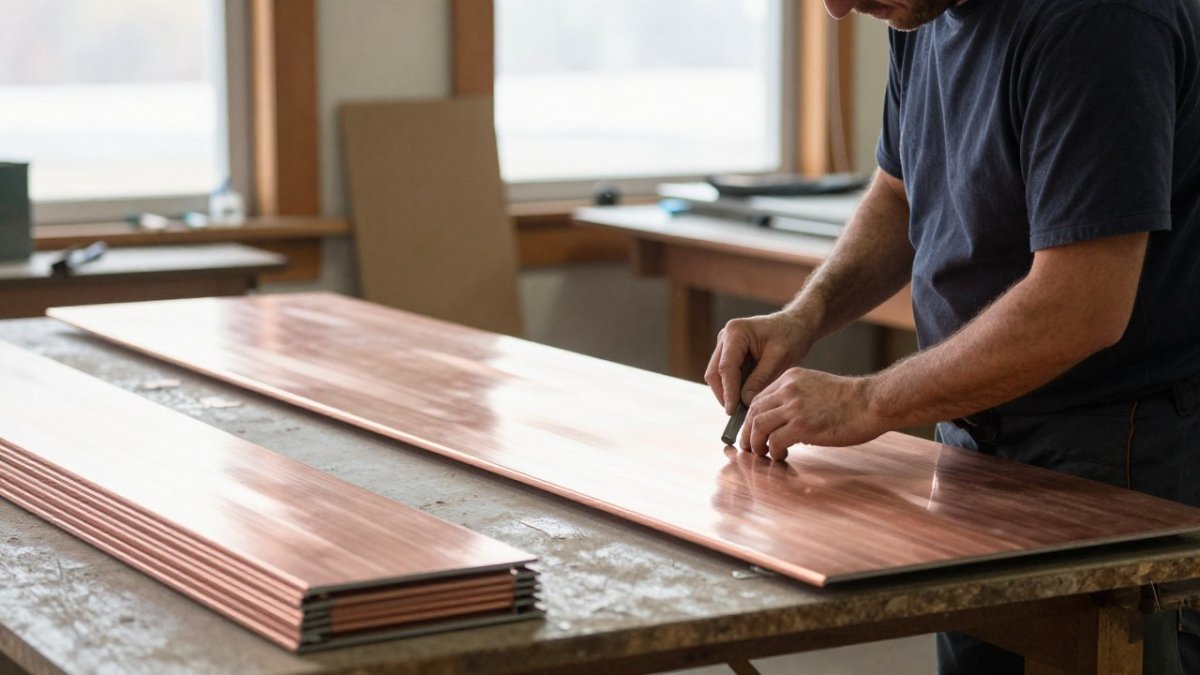
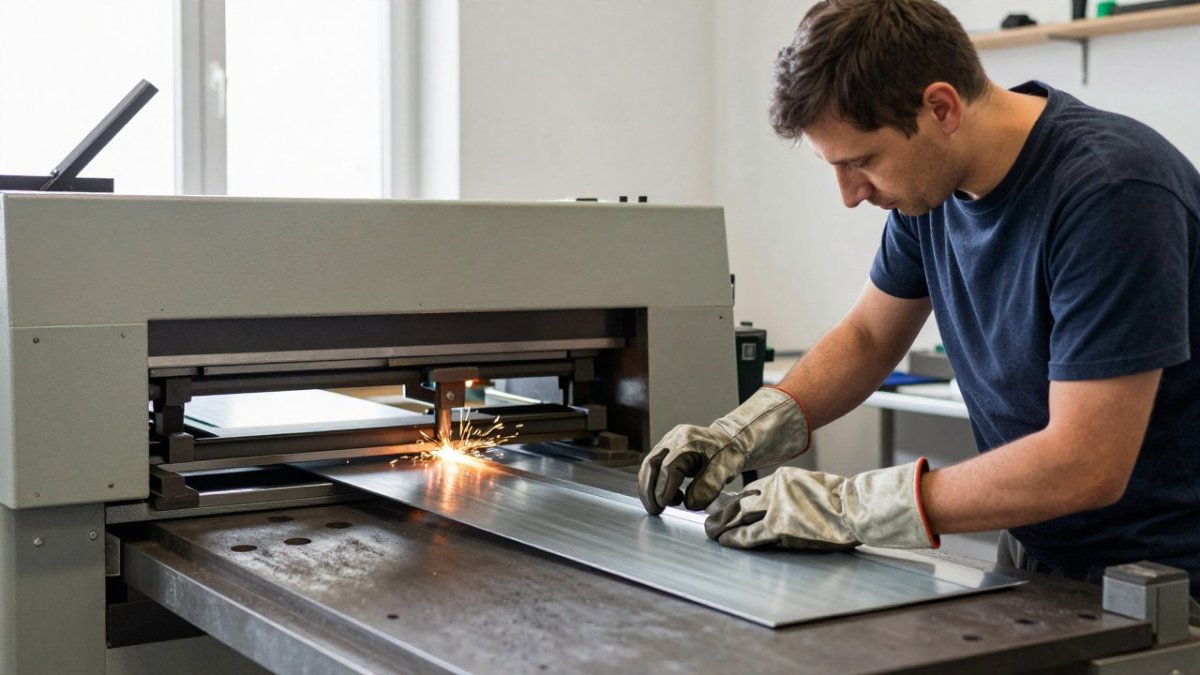
Fabrication time rises with detail count. Welding, cutting, forming, bending and assembly each add labor hours, and finishing adds more. Surface preparation and a proper powder coating or paint finish take time and a controlled environment. That is why two quotes for the same drawing can differ sharply: one shop budgets the hours the detail actually needs, the other does not.
Ask how many labor hours are in a quote before you compare totals.
For help vetting the team behind the work, see our guide to hiring architectural sheet metal subcontractors.
How to Read a Custom Metal Fabrication Quote
A readable quote separates material, labor, finishing, equipment and overhead. Ask for a cost breakdown by line, not one lump sum. The fastest way to judge a bid is to see whether the shop can show you where the money goes. Here is what a fair custom metal fabrication quote should show:
- Material: alloy or grade, thickness, finish and quantity, with scrap allowance stated
- Labor: estimated labor hours by operation (cutting, forming, welding, assembly)
- Finishing: surface preparation and coating type, plus any shop primer
- Tooling and setup: charged once for a one-off project, amortized on repeat production
- Engineering: shop drawings, design changes and coordination time
- Delivery and installation or erection, listed separately
What an Itemized Architectural Quote Actually Looks Like
The proportions of a quote shift with scope. Ask for each line to be shown separately so you can see how the costs behave on your project:
Ask the shop to show the split between material, labor and setup, so the comparison is clear.
A quote that gives one lump sum with no labor hours is difficult to compare to an itemized bid.
Installed Cost Versus Fabrication-Only Cost
Compare bids on the same basis, since fabrication-only pricing and installed cost cover different scopes.
Our breakdown of high-end custom metal roof pricing factors covers what sits inside installed cost.
Metal Fabrication Design for Manufacturability: Where Cost Is Locked In
Much of the cost is decided before fabrication begins. Design for manufacturability means drawing details that can be built efficiently. Design changes after release are typically costly, because they restart engineering and tooling. Because early design choices shape both tooling and fit, the same attention to manufacturability matters in projects such as Laser Cut Fire Pits.
Natural Resources Canada guidance on sustainable building materials notes that material choice and durability shape long-term building performance, which is why early specification decisions carry so much weight.
The Architectural Coordination Costs General Fabrication Advice Skips
On an architectural project, a significant share of the cost is coordination that happens before and around fabrication:
Manufacturability also cuts scrap and rework. A detail that needs three test fits to close will cost more than one designed to close first time. Quality control checks at each stage catch errors before they become rework. For detail-level guidance, read how to fabricate architectural sheet metal trim details.
How to Reduce Sheet Metal Fabrication Costs Without Cutting Quality
Cost reduction works best when it targets waste, not specification. Here is where we look first on a project:
- Standardize panel widths and profiles so setup time is shared across more pieces
- Specify common material thicknesses and grades that are readily available
- Group similar details so the shop runs them in one pass
- Release drawings early and freeze them, avoiding late design changes
- Choose finishes suited to exposure, so coating failure does not force early replacement
- Plan penetrations and curbs before fabrication, not during installation
Value engineering is the honest version of cost cutting: same performance, simpler execution. Cutting gauge, skipping surface preparation or downgrading coating usually costs more over the building's life through operating costs and repairs.
If you are weighing material alternatives, our comparison of Fortifab alternatives for custom metal lays out the options.
Standard Fabrication vs. Custom Architectural Fabrication
The difference is not quality snobbery; it is scope. Standard fabrication repeats known parts. Custom architectural fabrication engineers each piece to the building.
| Factor | Standard Fabrication | Custom Architectural Fabrication |
|---|---|---|
| Design | Catalog profiles | Engineered shop drawings |
| Tolerances | Loose, repeatable | Tight, project-specific |
| Setup time | Amortized over volume | Charged per one-off project |
| Material | Common gauges | Copper, zinc, aluminum, steel to spec |
| Finishing | Basic coating | Surface prep plus powder coating or paint |
| Installation | Simple fastening | Erection, flashing and trade coordination |
| Cost profile | Lower unit cost | Higher unit cost, longer service life |
Total cost of ownership includes maintenance and replacement, not just the initial invoice.
Requesting a Quote for Your Architectural Metal Project
A bid-ready package gets you an accurate number faster. Send elevation drawings, a scope description, material and finish preferences, site access notes and your schedule. Include penetration and curb locations so coordination costs are visible up front.
At Metal Masters Inc., we handle all phases of sheet metal and the custom fabrication of components in copper, zinc, painted aluminum and steel, from tear-off and carpentry through to installation. We work with general contractors and architects on custom metal projects.
Canada Green Building Council resources on durable envelope design is a useful reference when specifying long-life metal assemblies.
Custom architectural metal rewards buildings that need to last, but only when the quote is read correctly and the drawings are buildable. Metal Masters Inc. brings old world custom fabrication, full project management from removal to installation, and expertise across copper, zinc, painted aluminum and steel. Get started with Metal Masters Inc. and request a free quote on your next architectural metal project.
Frequently Asked Questions
Why does architectural metal fabrication cost more than standard sheet metal work?
Standard sheet metal work is built for speed and repetition, while architectural metal fabrication is built for appearance and longevity. Architectural panels use tighter tolerances, premium metals like copper and zinc, and hand-finished seams that take far more labor hours. Shop drawings, engineering, and coordination with other trades add overhead. The result is a system designed to last decades and look precise, which costs more per square foot than a generic flashing or duct run.
What should a custom metal fabrication quote include?
A complete custom metal fabrication quote should itemize material type and grade, thickness, finishing and coating, labor hours, engineering and shop drawings, setup and tooling, delivery, and installation or erection if included. Ask whether the price covers fabrication only or the full installed scope. A transparent quote separates material cost from labor and overhead so you can compare bids fairly. Request the quote in writing with assumptions listed, and confirm lead time and change-order rates before signing.
How can you reduce sheet metal fabrication costs without compromising quality?
Involve the fabricator early, before design is finalized. Standardize panel sizes, reduce the number of unique parts, and loosen tolerances where appearance allows. Choose materials with reliable availability to avoid scrap and rework. Batch repeat production where possible and consolidate hardware and trim into fewer line items. Value engineering sessions with the fabricator often save more than negotiating a lower unit rate, because most cost is locked in at the design stage.
Why do small custom metal orders often cost more per piece?
Setup time, tooling, and programming are spread across the whole order. On a one-off project, those fixed costs land on a single piece, so the unit cost rises. Large repeat production spreads setup across hundreds of units and lowers the per-piece price. Small orders also generate more scrap and rework relative to output. If your project is small, expect the quote to reflect setup and craftsmanship rather than material volume alone.