 How-to
Zinc Roofing Panel Installation 2026 Standards Explained
Last Updated: November 19, 2026
Quick Summary
Zinc roofing panel installation for 2026 follows the National Building Code of Canada, manufacturer instructions, and sound craftsmanship. Confirm the zinc gauge and alloy against the project specification, verify the code edition your permit authority enforces, and plan for thermal movement, compatible fasteners, and flexible flashing.
- Solid zinc sheet is a distinct product from zinc-coated steel, requiring specific material standards and thermal movement allowances.
- Verify the building code edition your permit authority enforces, as roof covering provisions are updated periodically.
- Calculate thermal movement based on the expansion coefficient and local temperature extremes before setting fixed points and clips.
- Avoid bituminous underlayment and use stainless steel or galvanically compatible fasteners.
- Use flexible flashing details at every junction to accommodate metal movement and prevent premature seal failure.
Table of Contents
- What Zinc Roofing Panels Are and Where They Fit
- Materials, Specifications, and Applicable Standards for 2026
- Preparing the Roof: Inspection, Deck, and Underlayment Requirements
- Panel Layout, Alignment, and Installation Sequence
- Accommodating Thermal Expansion and Contraction
- Installing Zinc Roofing in Cold Climates
- Flashing Details and Galvanic Compatibility
- Scheduling Your Zinc Roof Inspection With Metal Masters Inc.
- Frequently Asked Questions
What Zinc Roofing Panels Are and Where They Fit
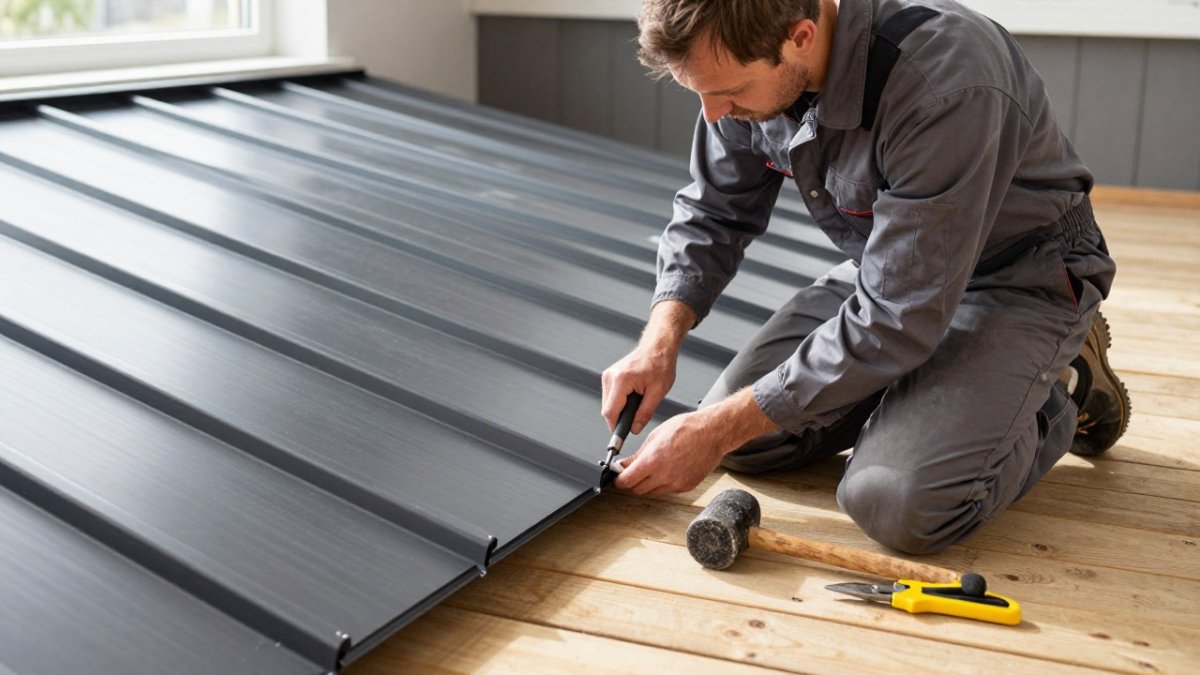
Zinc roofing panel installation for 2026 is governed by the National Building Code of Canada, manufacturer-specific technical manuals, and professional craftsmanship. Zinc is a premium architectural material that requires precise detailing. A zinc roof typically utilizes a standing seam or flat-seam system, fastened to a solid roof deck with joints engineered to allow for natural metal movement during temperature fluctuations.
Zinc behaves differently than steel. It develops a protective patina over time, exhibits significant thermal expansion, and is susceptible to corrosion when in contact with certain metals or acidic runoff from untreated wood. These characteristics dictate every phase of the installation, from panel layout to flashing design.
Zinc is most suitable for high-end residential projects, heritage restorations, and architectural features where longevity and aesthetic refinement are prioritized. While galvanized or painted steel may be more common for budget-driven projects, zinc offers a distinct performance profile. According to Canadian construction material data, demand for high-durability roofing materials continues to grow as building owners prioritize long-term maintenance reduction.
| Material | Typical Strength | Patina Over Time | Common Use |
|---|---|---|---|
| Zinc | High, malleable | Grey protective patina | Premium residential, architectural |
| Copper | High, malleable | Green patina | Heritage, landmark buildings |
| Steel (coated) | Very high | Limited; relies on coating | Commercial, budget residential |
| Aluminum | Lightweight | Minimal | Modern and coastal projects |
Materials, Specifications, and Applicable Standards for 2026
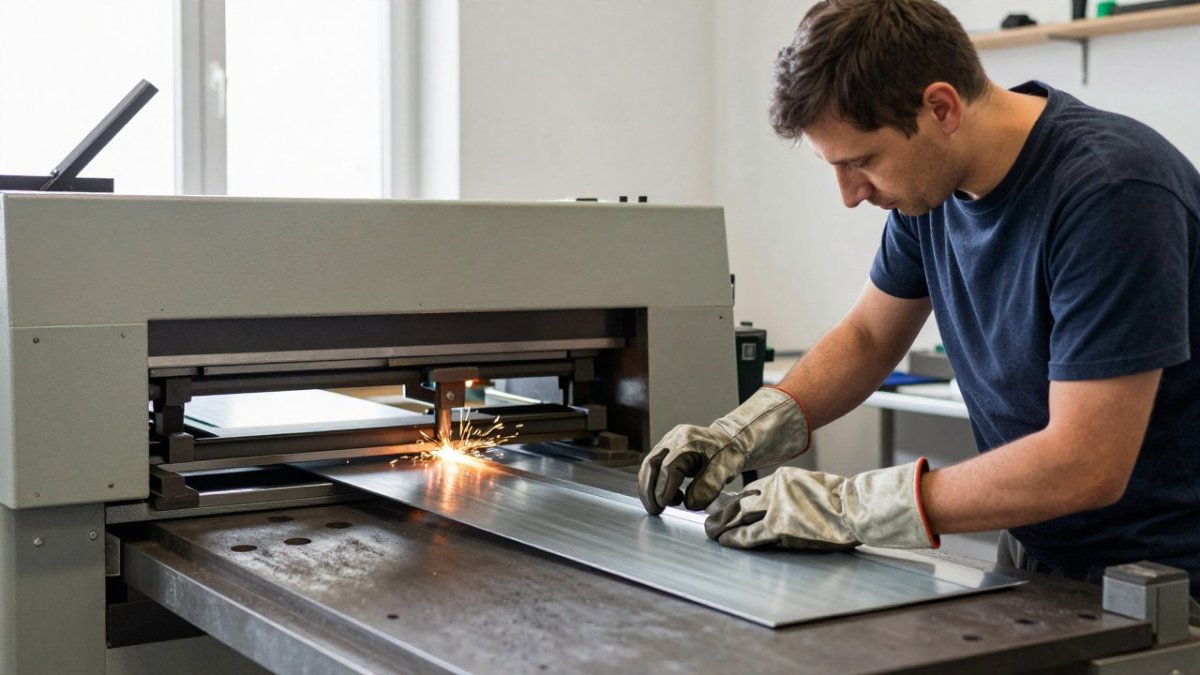
Before ordering materials, confirm the zinc gauge, alloy, and surface finish against the project specification. Suppliers should provide certified mill data for each batch. Because sheet thickness is defined by project design, verify the gauge with the fabricator rather than assuming a standard thickness.
Solid zinc roofing is not equivalent to zinc-coated or zinc-aluminum-coated steel. Coated steel panels are subject to different cladding provisions and coating standards. If permit documentation fails to distinguish between these materials, resolve the ambiguity immediately, as the fastener requirements and thermal movement allowances differ significantly. Ensure that all material documentation aligns with the National Building Code of Canada.
Create a code-and-standard crosswalk for your project file. At a minimum, record the building code edition and the specific article governing roof coverings, the material standard cited for the zinc sheet, fastener corrosion-protection requirements, and local snow load provisions. A documented crosswalk is essential for a successful inspection.
Preparing the Roof: Inspection, Deck, and Underlayment Requirements
Begin with a comprehensive inspection of the existing structure. Ensure the roof deck is sound, level, and free of protruding fasteners or rot. Replace any damaged sheathing before installing the membrane.
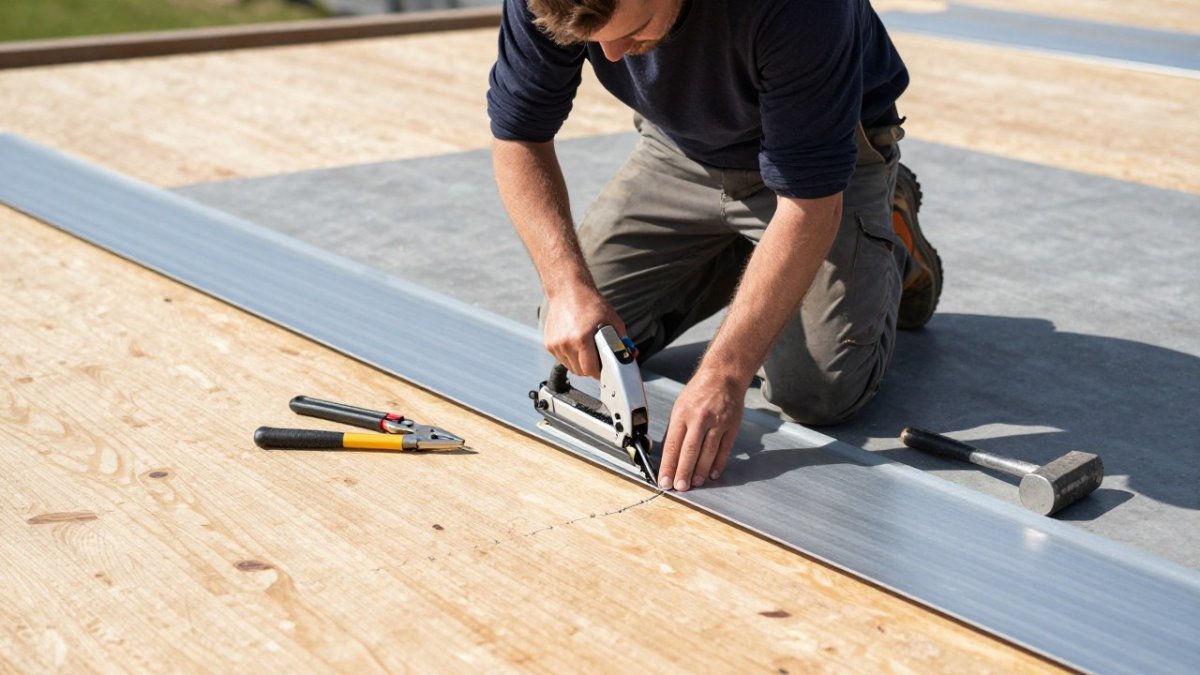
Underlayment selection is critical. Use a breathable or non-bituminous underlayment specifically rated for metal roofing. Bituminous products can promote corrosion when in contact with zinc. Lap the underlayment according to the manufacturer’s directions, and ensure that drip edges and eave details are installed before the panels arrive. Proper ventilation and a well-planned vapour control layer are essential to prevent condensation from forming on the underside of the metal, which can lead to long-term degradation.
Panel Layout, Alignment, and Installation Sequence
Layout precision is vital. Snap chalk lines to establish a square starting point at the eave, verifying with diagonal measurements. A minor error at the first panel will compound across the roof surface.
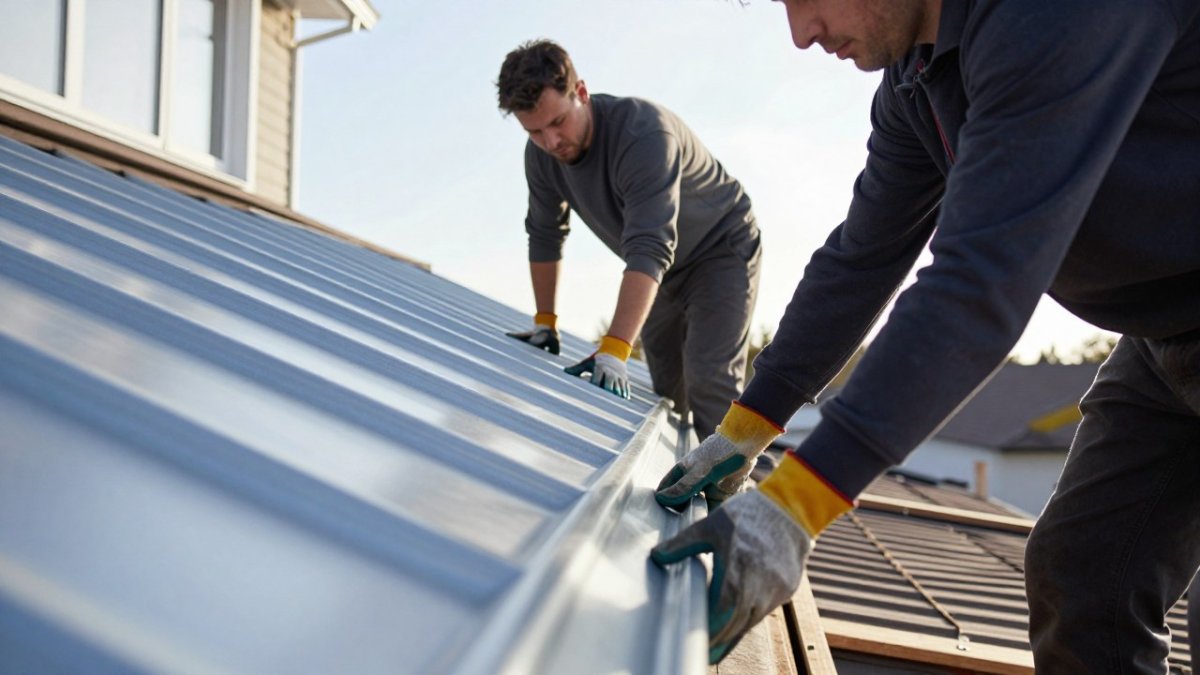
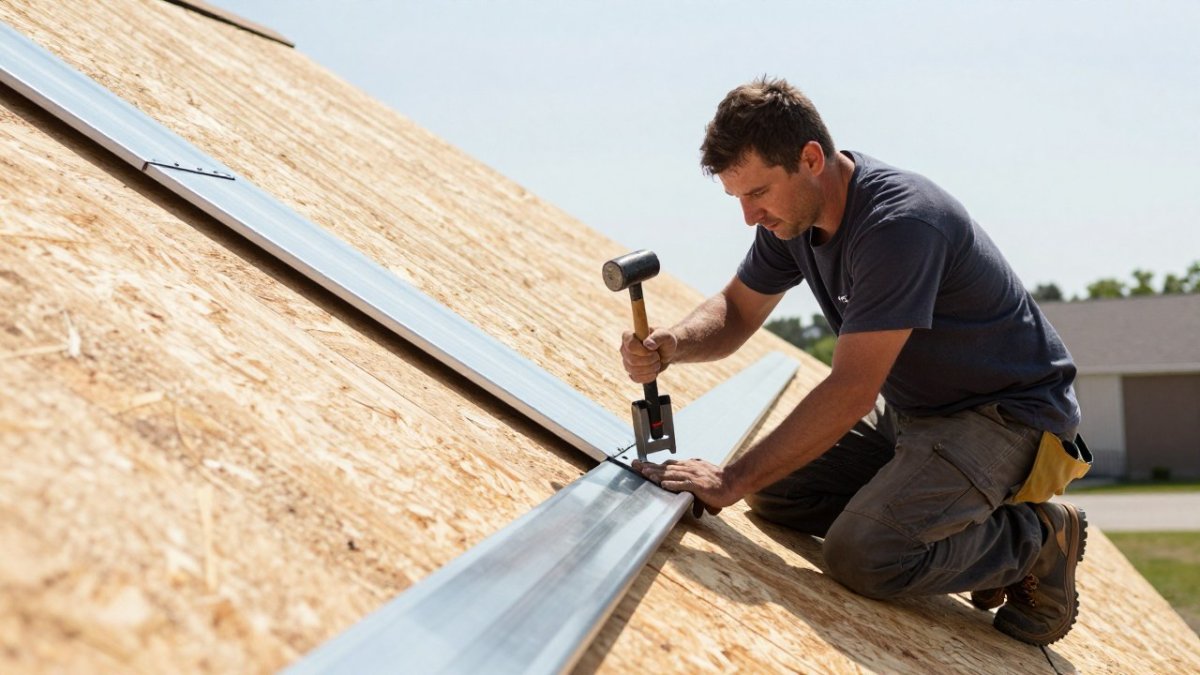
Install panels in a consistent sequence, following the manufacturer’s seam profile guidelines. Keep each panel aligned with your chalk line and verify its position before fastening. Work during mild temperatures when possible, as zinc expands noticeably in heat; panels installed in direct, intense sunlight may shift once they cool. For additional guidance on managing metal aesthetics, metal roofing best practices provides resources on building envelope performance.
Fastener Selection, Placement, and Spacing
Use only fasteners and clips specified by the manufacturer for zinc applications. Stainless steel or other galvanically compatible, non-corrosive fasteners are required. Place clips at the intervals specified in the installation guide. Do not overdrive screws, as over-tightening can dimple the panel and disrupt the seam, preventing the necessary movement of the metal.
Accommodating Thermal Expansion and Contraction
Zinc expands and contracts more than many installers anticipate. Calculate the expected movement based on the material's expansion coefficient and the local design temperature range. Multiply the panel length by the coefficient and the temperature range to determine the required travel for each free end. Ensure that sliding clips and seam geometry can absorb this movement without transferring stress to the fasteners. Limit fixed points to one location per run to prevent buckling or seam separation.
Installing Zinc Roofing in Cold Climates
Cold weather presents specific challenges. Zinc becomes stiffer at lower temperatures; handle panels with care to avoid cracking. Schedule seaming for periods when the material is more workable, and protect panels from direct contact with snow or ice. Ensure that the roof structure and any installed snow guards are designed to handle local snow loads as defined by the National Building Code of Canada. Detail eaves to allow meltwater to drain freely, preventing ice dam formation.
Flashing Details and Galvanic Compatibility
Flashings are the most common point of failure for zinc roofs. Use zinc or compatible flashing materials, and isolate the zinc from incompatible metals—such as copper—and untreated lumber using a suitable barrier. Dissimilar metals in contact, especially in the presence of moisture, will accelerate corrosion. Avoid rigid sealants that trap water against the metal; instead, use flexible flashing details at all junctions to accommodate thermal movement.
Scheduling Your Zinc Roof Inspection With Metal Masters Inc.
A final inspection is necessary to confirm the installation meets project specifications. Verify panel alignment, seam integrity, fastener spacing, and that all sliding clips move freely. If you are planning a zinc roof or require an inspection of an existing installation, professional roofing inspection services can help ensure compliance with local standards. For current pricing or project inquiries, contact Metal Masters Inc. directly. Our team provides custom fabrication and installation services for architects, contractors, and homeowners.
Frequently Asked Questions
What standards apply to zinc roofing panel installation in 2026?
Zinc roofing installations in Canada are governed by the National Building Code of Canada as adopted by the province or territory, alongside manufacturer installation instructions. Always confirm the current edition with your local building authority before starting work, as adoption dates and local amendments vary. For a current quote, contact Metal Masters Inc.
What underlayment should be used beneath zinc roofing?
Zinc roofs require a breathable or slip-sheet underlayment to separate the metal from the roof deck and any treated materials that could cause corrosion. Install a self-adhered or synthetic underlayment rated for metal roofing, lapped according to the manufacturer's instructions. Ice and water protection is generally required at eaves and valleys in cold climates.
How do you prevent corrosion when installing zinc roof panels?
Prevent corrosion by isolating zinc from incompatible metals, untreated copper runoff, and wet treated lumber. Use stainless steel fasteners and flashings, and ensure dissimilar metals are separated by a suitable barrier. Keep drainage paths clear to prevent water from pooling on the panels. For a current quote, contact Metal Masters Inc.
How do you install zinc standing seam roofing panels?
Start by confirming the deck is sound and the underlayment is properly installed. Lay out panels from the eave, checking alignment on each course, and install clips at the spacing specified for your profile. Seam the panels with the correct tool, working in the direction the manufacturer specifies. Install trim and flashing last, and inspect all seams before completion. Pricing depends on roof size and complexity; contact Metal Masters Inc. for a quote.