 blog
Is Metal Siding a Real Fortifab Alternative?
Last Updated: November 8, 2026
Quick Summary
Custom fabricated metal is one practical fortifab alternative for high-end siding, since it can be formed to follow architectural details. It differs from fiber cement in finish, weight, moisture detailing and fire performance, so compare full installed scope and lifecycle cost rather than panel price alone.
- Metal can be formed to follow fascias, parapets, window surrounds and transitions, unlike flat fiber-cement sheets.
- Fiber cement needs periodic repainting, while copper and zinc are unpainted and develop a patina over time.
- Metal is light, which can reduce structural load and speed installation on tall walls.
- Compare quotes on installed lifecycle cost over a defined ownership period, not the per-unit panel price.
- Ask any fabricator how they will prevent oil canning, coating failure and galvanic corrosion.
Table of Contents
- Why Homeowners Look for a Fortifab Alternative
- What Premium Siding Needs to Deliver
- Custom Metal Siding as a Fortifab Alternative
- Metal Siding vs Fiber Cement: Performance Compared
- What Siding Installation Cost Really Covers
- Choosing a Siding Contractor: What to Compare
- Requesting a Quote for Your Custom Siding Project
- Frequently Asked Questions
Why Homeowners Look for a Fortifab Alternative
Premium siding buyers in Canada often start searching for a fortifab alternative when a quote lands above budget or when they want more control over finish and fabrication. The questions below come up often for buyers weighing these decisions. Many buyers find that the real question is not which brand to pick but which material and fabrication approach suits the building.
Most buyers narrow the field by asking three things: how the panel is formed, what finish protects it, and who will fabricate and install it. That framing is more useful than comparing a product sheet to a product sheet. It also shows where a custom approach can differ from a catalogued system.
What Premium Siding Needs to Deliver
Premium siding has to do more than look right on delivery day. It needs to hold its finish, keep water out at the seams and trim, and stay flat through seasonal temperature swings. Many owners also expect the exterior to suit an architectural style rather than a generic profile.
When comparing options, check for these points:
- Panel profile and seam design, and whether the profile can be adapted to the building
- Coating system and its documented performance in local conditions
- Fabrication capability for flashing, trim and transitions
- Who is responsible for installation details and warranty
Watch out: a low unit price can hide weak flashing or thin coatings. Ask for the full scope, not only the panel price.
Custom Metal Siding as a Fortifab Alternative
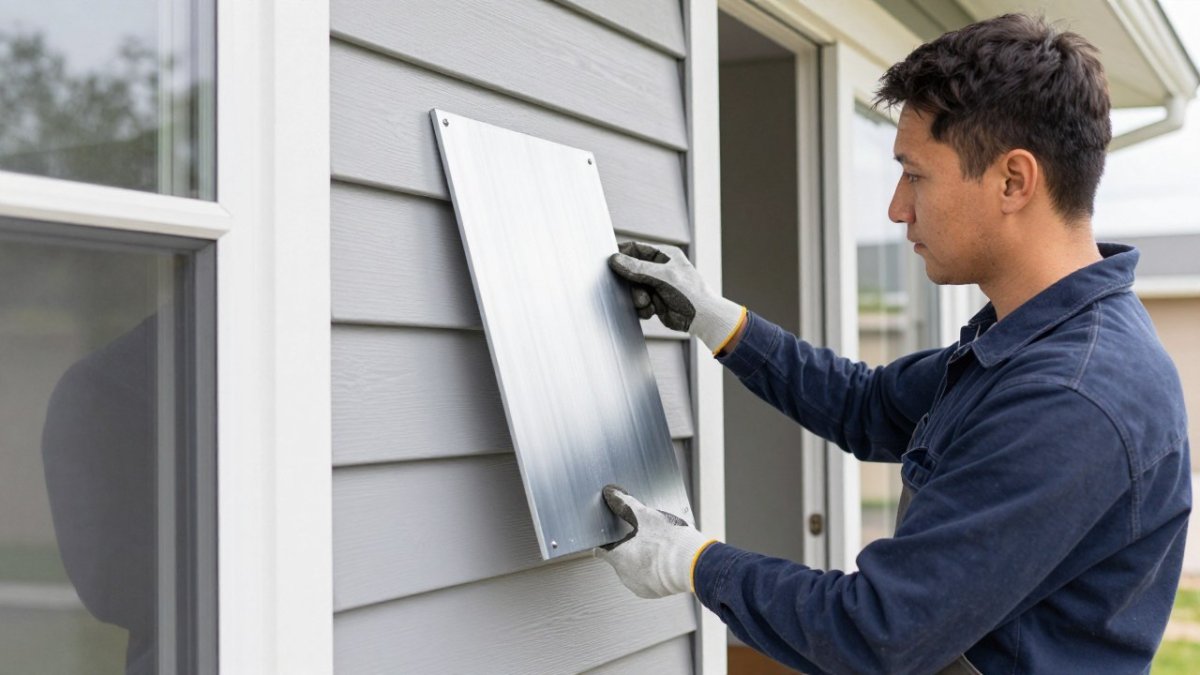
Fortifab is a fiber-cement panel product, so the honest starting point is to compare it against other fiber-cement systems first, then against premium materials that solve the same problems, impact resistance, moisture control, fire performance and a high-end finish, through a different route. Custom fabricated metal is one of those routes, and it is the one that changes the most variables at once. For a ranked overview of other custom metal alternatives to Fortifab, see a ranked overview of other custom metal options.
What Fortifab Is and Where It Fits
Fiber cement is a common siding category. It is generally considered non-combustible and holds paint well, though panels are heavy and the finish eventually needs recoating. Buyers searching for a fortifab alternative are usually reacting to one of three things, the installed price of a full fiber-cement system, the repainting cycle, or a desire for sharper detailing than butt-jointed panels allow.
The Like-for-Like Comparison
Compare Fortifab and custom metal on the variables that actually drive satisfaction:
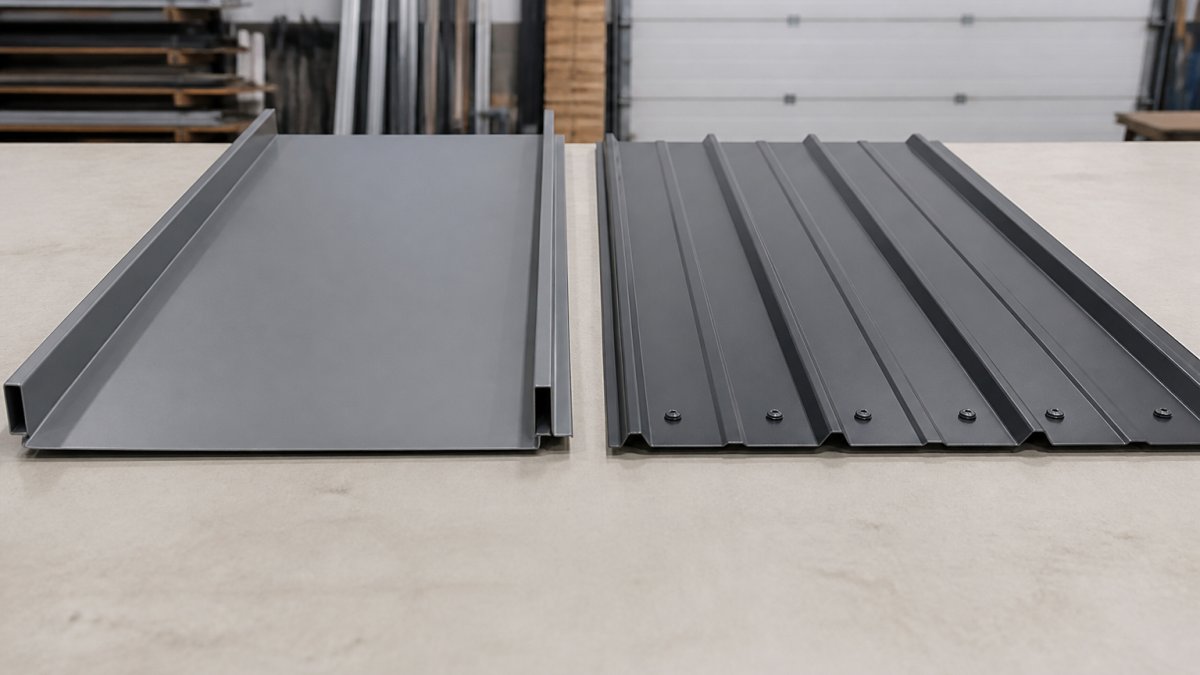
- Panel formation. Fiber cement is typically supplied as flat sheets or lap profiles. Custom metal can be formed to follow the architecture, including fascias, parapets, window surrounds and transitions.
- Finish durability. Factory-coated fiber cement is still a painted surface. Copper and zinc are unpainted and develop a patina over time.
- Moisture behavior. Fiber cement depends on a drainage plane and flashing to keep water out of the wall assembly. Metal depends on seam and flashing detailing, so the quality of the fabricator and installer matters.
- Fire performance. Fiber cement is non-combustible. Metal is also non-combustible, but the assembly's rating depends on substrate and detailing, so confirm the whole wall assembly rather than the cladding alone.
- Weight and structure. Fiber cement is heavy and adds handling and fastening labor. Metal is light, which can reduce structural load and speed installation on tall walls.
Materials: Copper, Zinc, Painted Aluminum and Steel
Each metal behaves differently. Copper and zinc develop patinas over time, while painted aluminum and steel offer a range of colours. For a direct long-term value comparison of copper and zinc roofing, see the cost and lifespan breakdown.
Material choice also affects compatibility with adjacent components. Mixing metals without planning can create corrosion problems, so the specification should address that from the start. Practical methods to prevent galvanic corrosion in metal assemblies are covered in a separate guide. We recommend confirming the full material list with your fabricator before ordering.
Oil Canning, Coating Failure and Galvanic Corrosion
Oil canning, the visible waviness in flat metal panels, is a common complaint on metal siding. Coating failure and galvanic corrosion are the other two problems that cause premature wear. Many owners recall a job where the finish began to chalk or rust within a few years, and they want to know how it will be prevented this time.
Oil canning, coating failure and galvanic corrosion are issues to discuss directly with your fabricator, who should explain how each will be handled on your project. For a deeper look at why metal siding coatings fail prematurely, read the explanation of the main causes.
Metal Siding vs Fiber Cement: Performance Compared
Fiber cement is the most common alternative to metal siding and is often considered alongside custom metal. Fiber cement takes paint readily but requires repainting on a regular schedule and is heavier to install. Metal siding is lighter and can be fabricated to specific profiles, though seams and fasteners still need inspection.
Neither material is better in every case. Fiber cement may suit a traditional look and a standard budget, while custom metal suits contemporary or heritage detailing that demands precise trim. Compare them on the building's exposure, the maintenance you are willing to schedule, and the detailing the design requires.
The article contrasts how fiber cement and metal siding differ on the factors that matter most to homeowners.
| Factor | Fiber cement | Custom metal |
|---|---|---|
| Finish | Factory-coated, needs repainting | Unpainted copper or zinc patinas; painted aluminum or steel |
| Weight | Heavy, more handling and fastening labour | Light, can speed installation on tall walls |
| Profile | Flat sheets or lap profiles | Formed to follow architecture and transitions |
| Fire performance | Generally non-combustible | Non-combustible; rating depends on whole assembly |
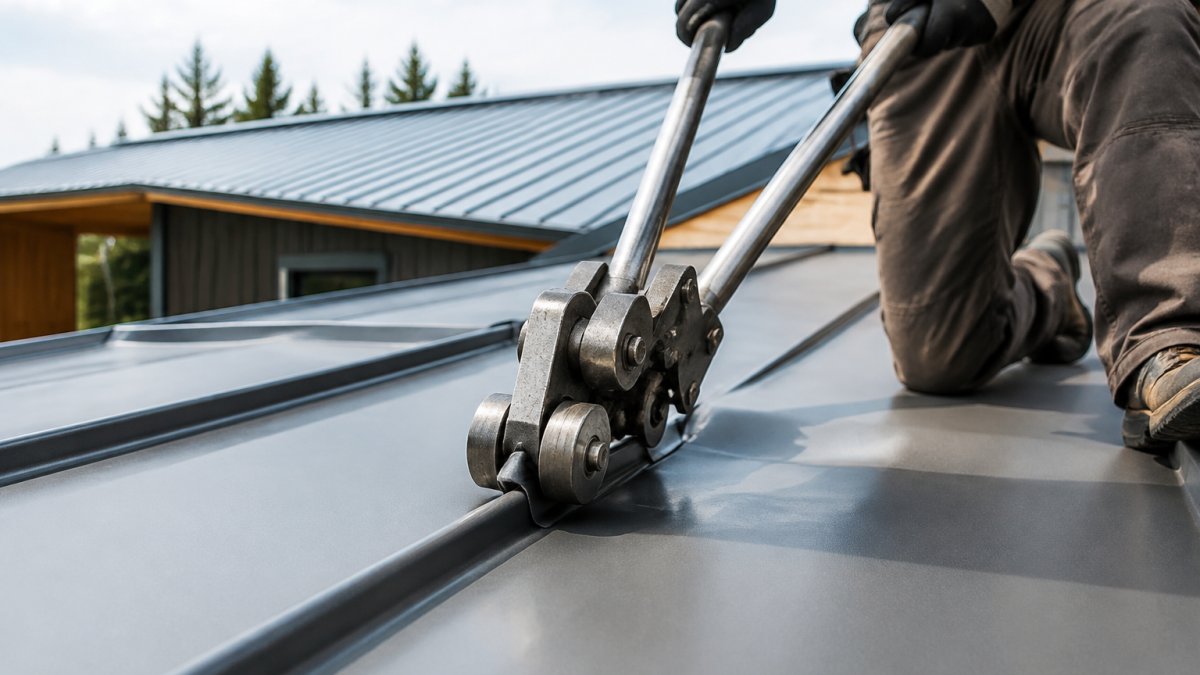
| Key inspection point | Drainage plane and flashing | Seams and fasteners |
What Siding Installation Cost Really Covers
A single per-unit siding price rarely reflects the full project. The installed cost of a fiber-cement system and a custom metal system can diverge once removal, substrate work, flashing, trim and the repainting cycle are included. The useful comparison is installed lifecycle cost over a defined ownership period, say 25 years, not the panel price on the quote.
What the Installed Price Includes
A complete siding quote should break out each of these lines, and you should be suspicious of a bid that folds them into one figure:
- Removal and disposal of the existing cladding
- Substrate inspection and repair, including sheathing replacement where rot is found
- Weather-resistive barrier and drainage plane
- Flashing at windows, doors, roof-wall junctions and penetrations
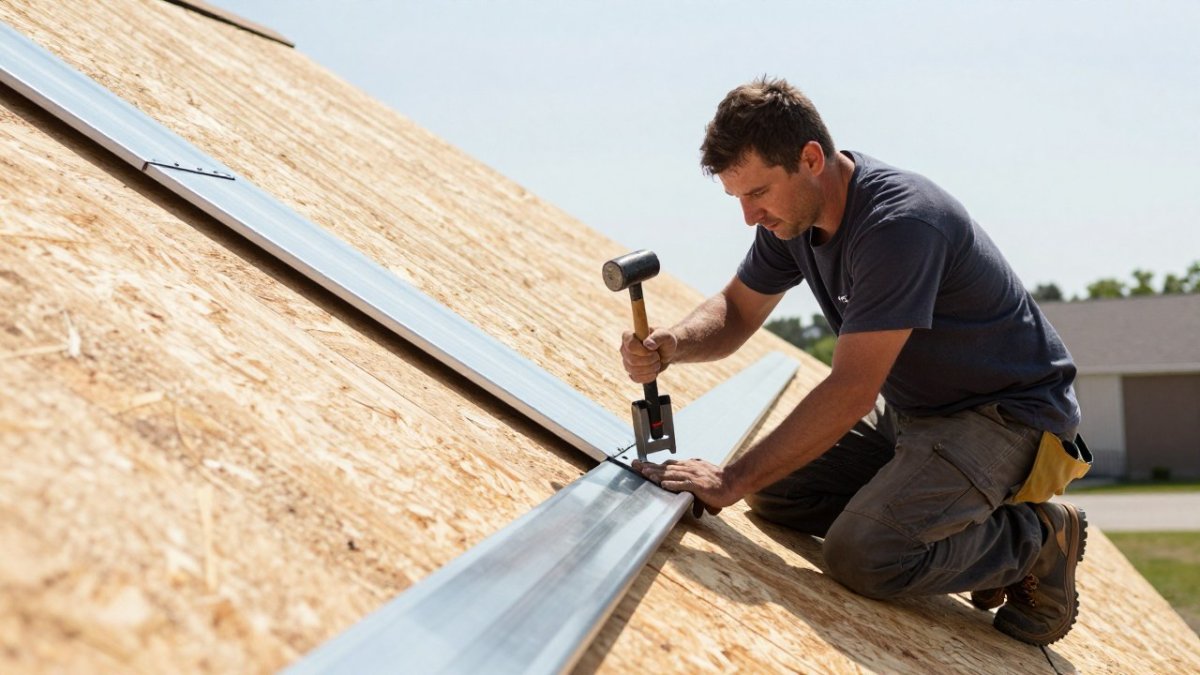
- Fasteners and any compatible isolation materials at metal-to-metal contacts
- Trim, corners, fascia and transitions
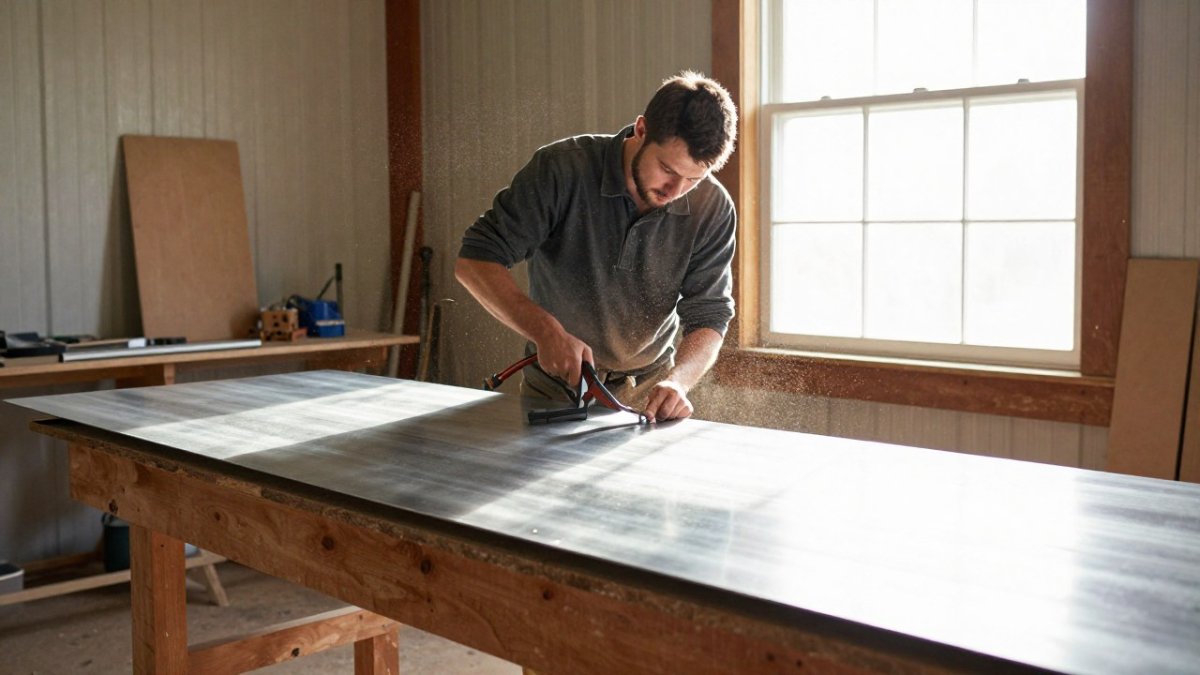
- Fabrication time for bespoke components
- Labour, scaffolding or lift rental, and cleanup
How the Materials Compare Over Time
Rather than quote a single figure that will be wrong for your building, compare the cost drivers:
Getting a Number You Can Use
Because pricing depends on quantity, dates, access and delivery, quotes are project-specific rather than standard figures. To make quotes comparable, ask every bidder for the same line-item scope and the same ownership period, then add the expected repainting or repair cost for each material over that period. Visit the website for current pricing details or request a quote for your project.
Watch out: a lower total that excludes flashing, trim or removal is not a lower price, it is a smaller scope, and the missing lines will reappear as change orders.
Choosing a Siding Contractor: What to Compare
When comparing contractors, look past the headline price. Confirm they carry out the full scope, including tear-off, carpentry and custom fabrication, and ask who manages the project from removal through installation. Coordination matters on multi-trade jobs, especially when custom panels have long lead times.
Ask for photos and references from similar residential projects, and request a written description of how they will prevent oil canning, coating failure and galvanic corrosion. Metal Masters Inc. offers comprehensive project management from removal to installation.
Requesting a Quote for Your Custom Siding Project
A useful quote request includes the building's dimensions, the siding and metal types you are considering, photos of the existing exterior, and your timeline. Describe any heritage or design constraints too. The more detail you provide, the more accurate the scope and price will be.
Metal Masters Inc. works with homeowners, general contractors, builders and architects. Get a free quote from Metal Masters Inc. to discuss your options and receive a scope tailored to your building.
Frequently Asked Questions
What are the best alternatives to Fortifab for high-end siding?
The main alternatives to Fortifab for premium siding are custom architectural metal siding, fiber cement siding and engineered wood siding. Custom metal work suits owners who want bespoke profiles and finishes in copper, zinc, painted aluminum or steel. Fiber cement offers a lower-maintenance, widely available option. Compare each material on installed cost, warranty terms, repairability and how well the supplier handles your specific architectural details before deciding.
Is metal siding a good choice for a custom home?
Metal siding suits custom homes well because it can be fabricated to specific profiles, dimensions and finishes that stock products cannot match. Copper and zinc develop protective patinas over time, while painted aluminum and steel offer consistent colour options. Proper fabrication, coating quality and installation detailing matter more than the metal itself, so ask a supplier to show completed residential projects before committing.
What should I compare when choosing a siding contractor?
Compare contractors on their experience with your chosen material, references from similar high-end residential projects, and how they handle tear-off, carpentry and fabrication under one contract. Ask how they prevent oil canning, coating failure and galvanic corrosion between dissimilar metals. Request a written scope, a clear project timeline and details of the warranty and who honours it.
How long does architectural metal siding last?
Architectural metal siding lasts for decades when it is properly fabricated, coated and installed. Lifespan depends on the metal, the coating system, exposure to moisture and salt, and the quality of detailing at trim and transitions. Ask your supplier for the coating warranty and maintenance recommendations for your metal and climate, and confirm how they protect against premature coating failure.