 Comparison
7 Alternatives for Architects Seeking Custom Metal Partners
Last Updated: November 17, 2026
Quick Summary
Metal Masters Inc. is a custom metal fabrication and installation partner offering architectural sheet metal, double lock standing seam, and custom fabrication in copper, zinc, painted aluminum, and steel. Unlike software tools or installation-only contractors, it provides detail review, specification assistance, and AutoCAD shop drawings. Quotes are free on request.
- Compare architectural sheet metal contractors on fabrication capability, in-house scope, documentation quality, and coordination.
- Double lock standing seam folds the seam twice and is the profile Metal Masters Inc. specializes in.
- Ask fabricators what equipment they run and what thickness range they can form.
- Request a line-item breakdown covering material, fabrication, installation, ancillary work, and exclusions.
- Send the same detail set to every fabricator and ask each to price the same line items.
Table of Contents
- Why Architects Need a Different Kind of Metal Partner
- Architectural Sheet Metal Contractors: What to Compare Beyond the Brochure
- Custom Metal Roofing for Architects: Material and System Trade-Offs
- Standing Seam Metal Roofing Contractors: Questions That Separate the Best
- Architectural Metal Fabrication: Evaluating Custom Capability
- Seven Alternatives for Architects: A Side-by-Side Comparison
- Pricing and Budgeting: What Drives Cost in Custom Metal Work
- Request a Free Quote and Specification Review
- Frequently Asked Questions
Why Architects Need a Different Kind of Metal Partner
Architects searching for a group alternative for architects are not looking for another roofer. They need a fabricator who can read a detail drawing, hold a tolerance, and take responsibility for the envelope. At Metal Masters Inc., we build around that brief: architectural sheet metal, double lock standing seam, and custom fabrication in copper, zinc, painted aluminum, and steel.
A standard roofing contractor sells a finished roof. An architectural metal partner sells a system that must survive thermal movement, drainage calculations, and a dozen other trades. Choosing wrong shows up two winters later as oil canning, failed sealant, or a flashing detail nobody will warranty.
Below, we walk through the criteria that separate one custom metal partner from another, from material selection and lock profiles to fabrication capability and pricing drivers. The seven alternatives we compare later are not all fabricators; some are design and project tools that support specification.
Canadian Sheet Steel Building Institute technical resources
Architectural Sheet Metal Contractors: What to Compare Beyond the Brochure
Architectural sheet metal contractors should be compared on four things: fabrication capability, in-house scope, documentation quality, and how they handle coordination. Everything else is marketing.
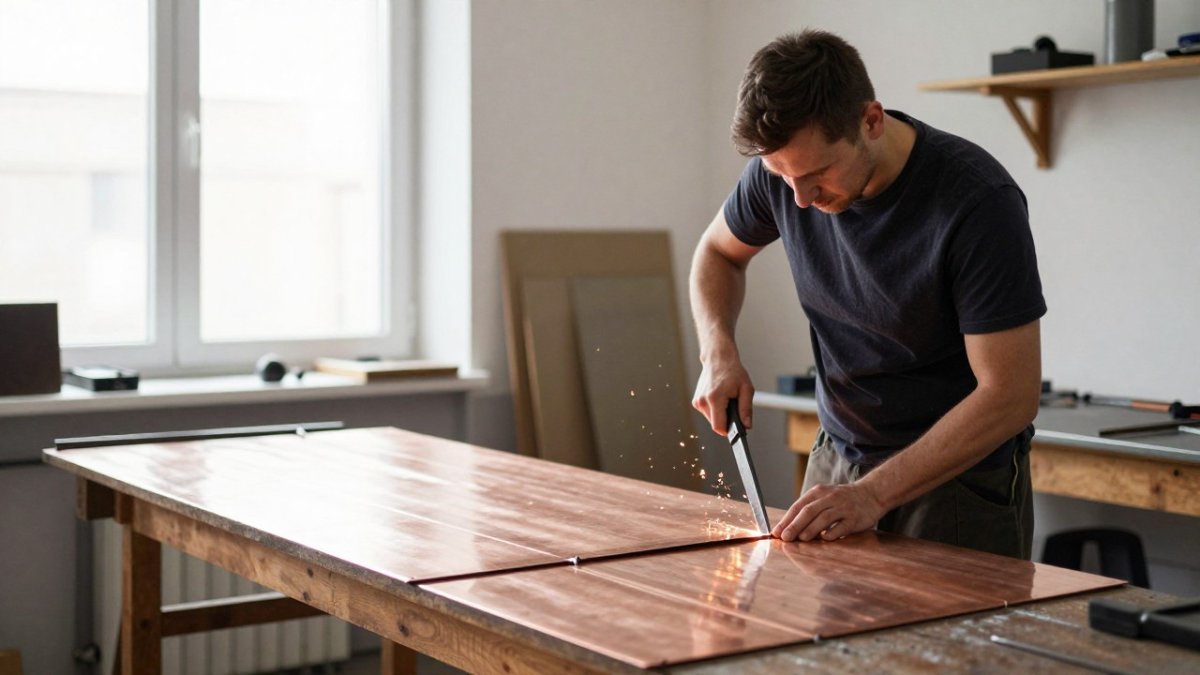
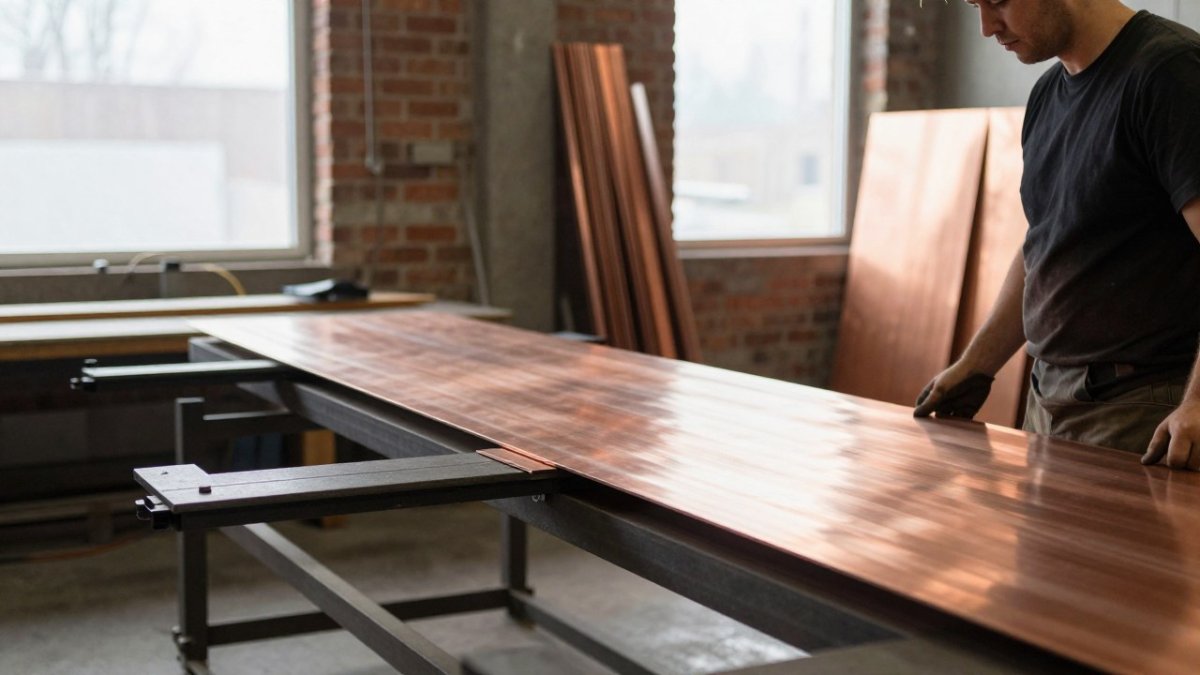
Start with fabrication. A contractor who orders pre-formed panels from a distributor has less control over tolerances, lead times, and custom profiles than one who runs a shop. Ask whether panels are formed in-house or bought in; the answer changes your timeline.
Next, define the scope boundary. Full-service architectural sheet metal can mean tear-off, carpentry, fabrication, and installation under one contract. Split those across three trades and the finger-pointing starts the first time a substrate is out of plane.
Documentation matters just as much. Ask whether a partner supplies detail packages and shop drawings you can use in your set, and to see a sample detail package rather than a brochure.
- Fabrication: in-house forming versus distributor-supplied panels
- Scope: tear-off, carpentry, flashing, and trim under one contract
- Documentation: AutoCAD details, shop drawings, submittals
- Coordination: named contact, schedule alignment with other trades
- Material range: copper, zinc, painted aluminum, steel
Custom Metal Roofing for Architects: Material and System Trade-Offs
Custom metal roofing for architects comes down to two decisions that get made separately but perform together: which metal, and which seam system. Get either wrong and the other cannot compensate.
Copper, Zinc, and Steel: Matching Material to Design Intent
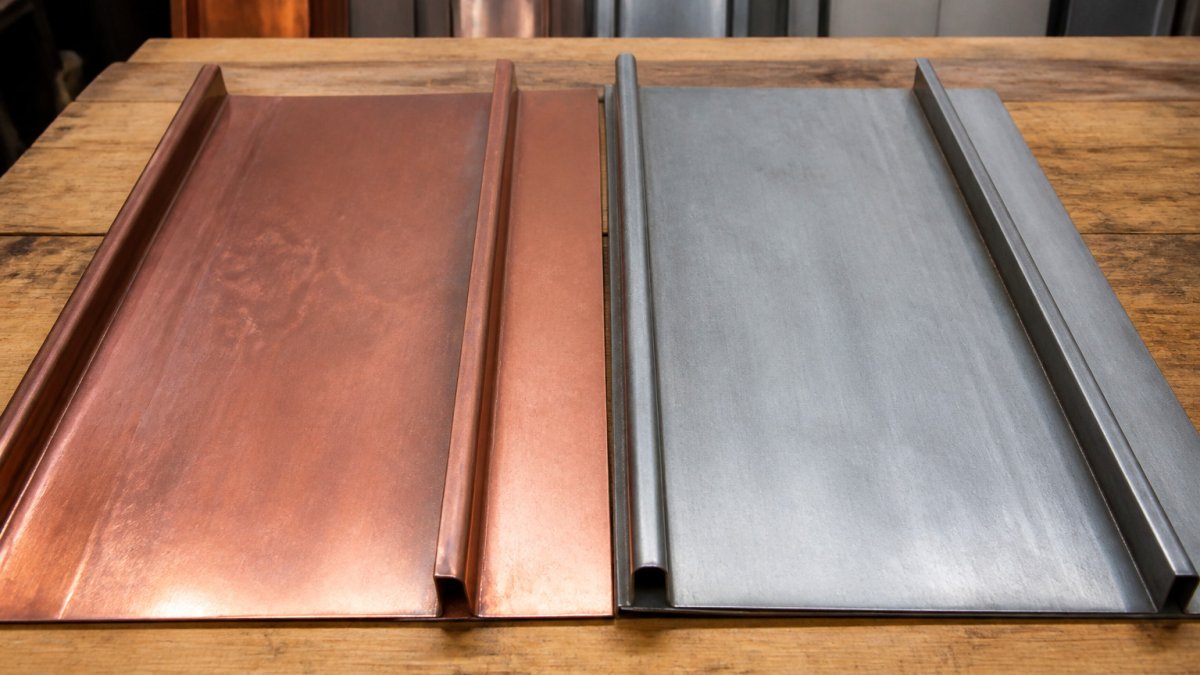
Copper and zinc are chosen for how they age, not just how they look on day one. Copper and zinc each age in their own way, and the choice often depends on whether a changing finish is part of the design intent.
The practical question is maintenance expectation and detail complexity. Materials that patina need detailing that accounts for how they weather at joints, transitions, and terminations. If your design has tight tolerances at parapets or valleys, confirm that any fabricator has worked in the chosen metal before. For a deeper look, see our comparison of copper versus zinc roofing for long-term value.
Standing Seam Profiles and Why the Lock Matters
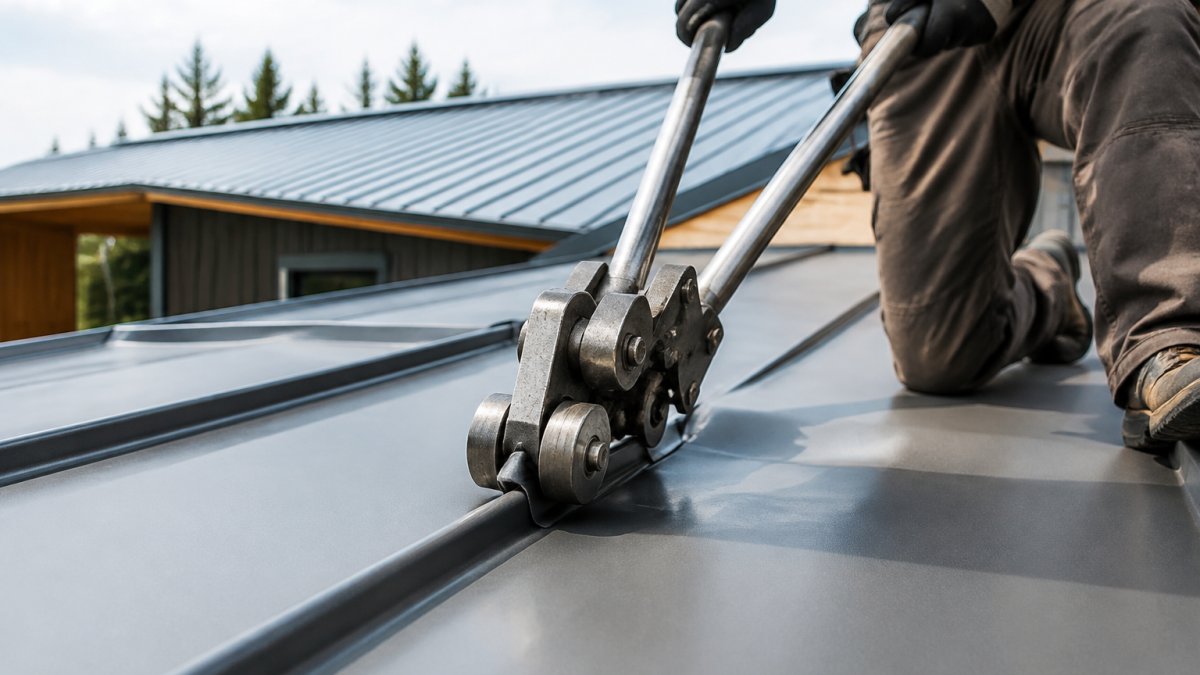
The lock is where standing seam systems differ. A single lock relies on one fold; a double lock folds the seam twice. The lock type affects how the seam is built, and the choice should be checked against the project's wind and thermal conditions.
Double lock standing seam is the profile Metal Masters Inc. specializes in. If you want the full technical breakdown on how the double lock is formed and installed, our guide to double lock standing seam benefits and installation covers it in detail.
Standing Seam Metal Roofing Contractors: Questions That Separate the Best
Standing seam metal roofing contractors should be screened with questions that have specific answers, not reassurances. Vague answers are your signal to keep looking.
Ask how a contractor prevents oil canning and how they handle galvanic corrosion where copper and zinc meet on the same elevation, and look for specific, technical answers.
Then ask about coating performance, including how a contractor treats cut edges and fasteners and what their touch-up process involves.
Finally, ask for references on projects like yours. High-end residential with custom standing seam and siding is a specific skill set. Photos of completed work tell you more than a rating.
Architectural Metal Fabrication: Evaluating Custom Capability
Architectural metal fabrication is the capability that separates a custom partner from an installer. It means the shop can form custom profiles to project drawings rather than relying only on catalog parts.
Evaluate it with three tests. Ask what equipment they run and what thickness range they can form. Ask for a shop drawing sample from a past project with complex geometry. Ask who does the takeoff and whether they will flag conflicts in your details before fabrication starts.
This is where a lot of projects quietly go sideways. The installer who says yes to everything and then subcontracts the custom pieces has just added a link to your supply chain and a delay to your schedule.
Seven Alternatives for Architects: A Side-by-Side Comparison
The seven options below split into two groups. Metal Masters Inc. is a fabrication and installation partner. The other options are not fabricators and are not evaluated here. What follows is a neutral shortlist scored against the criteria architects actually use to shortlist a metal partner: specification support, design-assist capability, technical documentation, coordination with the project team, and project fit.
| Option | Category | Specification Support | Design-Assist | Technical Documentation | Coordination Model | Best For | Pricing Signal |
|---|---|---|---|---|---|---|---|
| Metal Masters Inc. | Architectural sheet metal fabricator | Yes, detail review and specification assistance | Yes, flag conflicts before fabrication | AutoCAD details and shop drawings | Named contact, schedule alignment | Custom standing seam, copper, zinc, and siding | Free quote on request |
| Revit | BIM software | No, tool only | No | Model and sheet production | Cloud worksharing | Large projects needing BIM workflows | Subscription, from $4,235 CAD/year |
| Archicad | BIM software | No, tool only | No | Model and sheet production | Teamwork collaboration | Design-led BIM and visualization | Subscription, contact for pricing |
| Plan7Architect | Residential design software | No | No | Basic plan output | Single-user | Simplified residential planning | One-time purchase |
| Milient | Project management software | No | No | Time and budget reports | Firm-wide adoption | Tracking project budgets and time | Subscription, contact for pricing |
| In-house fabrication shop | Internal capability | Yes, if staffed | Yes, if staffed | Internal standards | Internal | Firms with volume and staff | Capital and labor cost |
| General roofing contractor | Installation only | Rarely | No | Product data only | Subcontracted trades | Standard re-roofs, not custom work | Varies by scope |
Metal Masters Inc. offers full-service architectural sheet metal, from tear-off and carpentry through custom fabrication and installation, in copper, zinc, painted aluminum, and steel. We work with architects, builders, general contractors, and homeowners.
In-house fabrication gives you total control, if you have the volume, equipment, and staff to justify it. Most firms do not. The trade-off is capital cost and keeping skilled sheet metal staff on payroll between projects.
To use this shortlist, decide first whether you need a design tool or a fabrication partner. If you need a partner who can read a detail set, hold a tolerance, and take responsibility for the envelope, the relevant comparison is between fabricators, not software platforms. For a closer look, our article on Seam Roofing versus Aimed Group walks through a direct comparison, and this breakdown of Fortifab alternatives for custom metal covers more options.
Pricing and Budgeting: What Drives Cost in Custom Metal Work
Custom metal pricing depends on material, geometry, access, and scope, so quotes should be requested for each project. Two roofs of identical area can land far apart once detail count enters the picture. What follows is the framework architects need to request quotes that can actually be compared.
Material selection affects cost, and different metals behave differently in fabrication, which affects labor. Geometry sets the ceiling: every custom flashing, taper, or radius adds shop and installation time. Access and height add scaffolding, lift, and staging costs. Scope adds tear-off, carpentry, and disposal.
The right way to budget is to ask for a line-item breakdown rather than a lump sum. You want to see material, fabrication, installation, and ancillary work separated so you can value-engineer without guessing. A comparable quote separates at least these lines:
- Material: alloy or coating, thickness, and finish, priced by area and by piece
- Fabrication: shop hours for standard panels versus custom profiles, with a rate per hour
- Installation: labor, access equipment, and staging, priced by area and by detail count
- Ancillary: tear-off, carpentry, disposal, and any substrate remediation
- Exclusions: what the quote does not cover, stated explicitly
When you request quotes, send the same detail set to every fabricator and ask each to price the same line items. A quote without a detail list cannot be compared to any other. Quotes can look lower because they exclude items such as carpentry or disposal, so compare scopes carefully.
For budgeting at concept stage, ask for a range by system rather than a single number. A fabricator who has priced similar projects can give you a range for standing seam versus flat-lock or shingle-style, and for copper versus painted steel, so you can make material decisions before the design is fixed. Our breakdown of the factors that set high-end custom metal roof pricing covers this in more depth.
Watch out: a quote without a detail list or an exclusions section is difficult to compare with others.
Request a Free Quote and Specification Review
When evaluating a metal partner, a drawing review is a useful test. Send over a detail set and see who comes back with questions and conflicts flagged.
At Metal Masters Inc., we handle all phases of sheet metal work, from tear-off and carpentry through custom fabrication and installation. We offer double lock standing seam and custom components in copper, zinc, painted aluminum, and steel.
Request a free quote from Metal Masters Inc. to get started on your next project.
Frequently Asked Questions
What should architects compare when choosing an architectural sheet metal contractor?
Focus on fabrication capability, material range, and design support. Ask whether the contractor handles custom profiles in copper, zinc, painted aluminum, and steel. Confirm whether they manage phases from tear-off and carpentry to installation. Request references from similar projects and ask how they coordinate with other trades on custom panels.
How do standing seam metal roofing systems differ between contractors?
The main differences are the seam type, panel width, and fabrication precision. Double lock standing seam systems use a folded seam, which differs from single lock or snap-lock profiles. Ask about panel forming equipment, whether panels are shop-fabricated or roll-formed on site, and how the contractor controls tolerances. These details affect appearance and performance.
Can a sheet metal contractor assist with project details and specifications?
Some full-service architectural sheet metal contractors can help with project details. Ask whether they review drawings for constructability, suggest profiles that match your design intent, and flag potential issues with flashing or transitions. Early involvement can help reduce changes during fabrication.
What information should architects include when requesting a metal roofing quote?
Provide architectural drawings, material specifications, project scope, and desired timeline. Include details on roof complexity, access, and any custom fabrication requirements. A clear brief helps contractors return a more accurate estimate. Ask for a breakdown of fabrication, materials, and installation costs.