 how-to
How to Source Custom Zinc Panel Fabrication Services
Last Updated: October 25, 2026
Quick Summary
Custom zinc panel fabrication turns flat zinc coil into formed, finished architectural components built to a specific building's dimensions. The process runs from coil selection and flat pattern layout through cutting, roll forming, and edge work to a final quality check. Hand over approved shop drawings, panel layout, zinc thickness and finish, and confirmed dimensions before fabrication starts.
- Releasing a job before shop drawings are approved is the most common cause of rework.
- Flat-lock panels suit walls and fascias but are more labor-intensive per square metre.
- Standing seam panels handle long runs because the raised seam allows thermal movement.
- Double lock folds the seam twice and holds geometry better over thermal cycles.
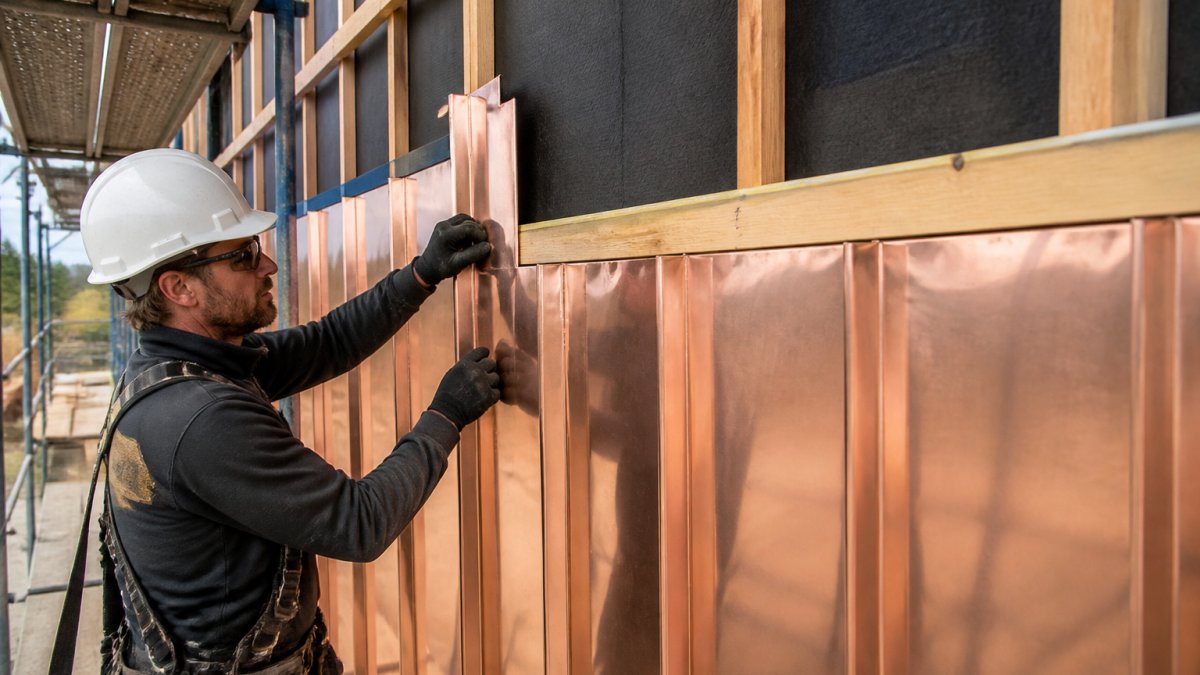
- Zinc and copper contact needs isolation detailing drawn before fabrication to prevent galvanic corrosion.
Table of Contents
- What Custom Zinc Panel Fabrication Services Cover
- The Zinc Panel Fabrication Process, Step by Step
- Flat-Lock Zinc Panels: Where They Fit Best
- Standing Seam Zinc Panels for Roofs and Long Runs
- Architectural Zinc Panel Details That Decide Quality
- What to Look for in a Custom Zinc Panel Fabricator
- Requesting a Quote from Metal Masters Inc.
- Frequently Asked Questions
What Custom Zinc Panel Fabrication Services Cover
Custom zinc panel fabrication services turn flat zinc coil into formed, finished architectural components built to a specific building's dimensions. This guide from Metal Masters Inc. covers what those services include, how the fabrication process runs, and how to choose a fabricator. At Metal Masters Inc., we handle all phases of sheet metal work, including the custom fabrication of components in copper, zinc, painted aluminum, and steel.
Zinc is a demanding material. It moves with temperature, it marks easily, and it cannot be patched convincingly once it is formed wrong.
Below, we walk through the full scope of zinc panel fabrication, the details that decide quality, and the questions to ask before you commit.
The Zinc Panel Fabrication Process, Step by Step
The fabrication process runs from coil to formed panel in a fixed sequence, and each stage locks in decisions the next one cannot undo. Most problems trace back to a skipped step, not a bad machine.
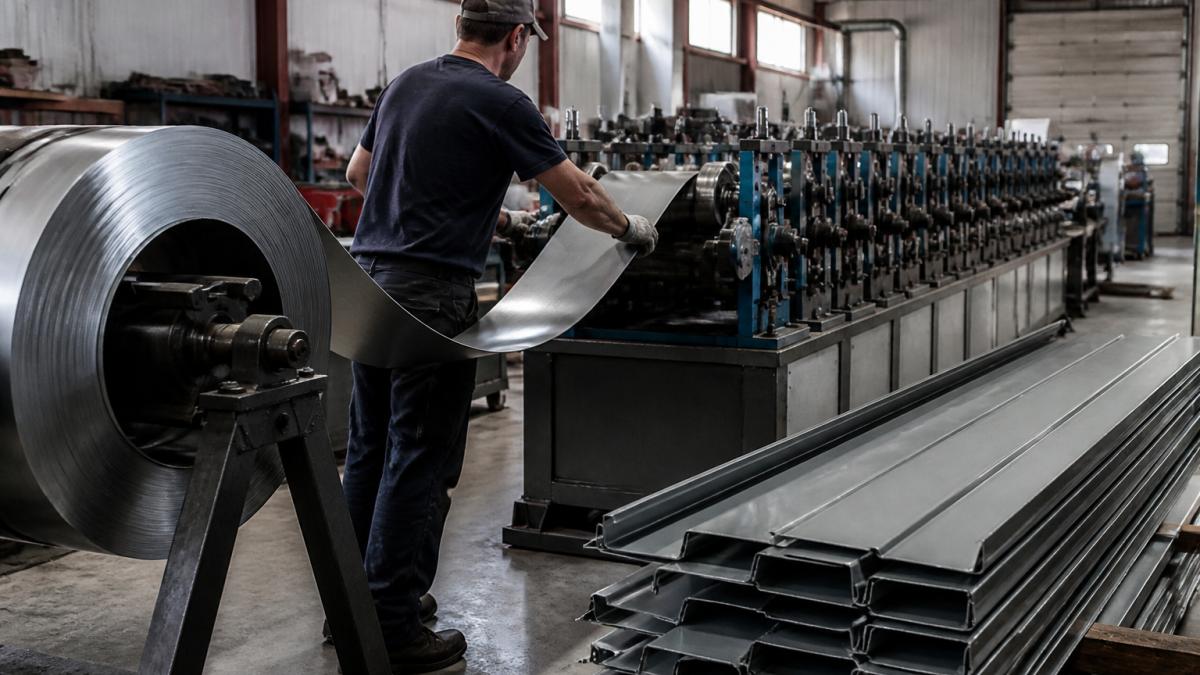
From Coil to Formed Panel
- Coil selection. The fabricator matches zinc thickness and grade to the panel span and exposure.
- Flat pattern layout. Dimensions come off the shop drawings, not site measurements taken on the fly.
- Cutting and notching. Corners and returns are notched before forming, not after.
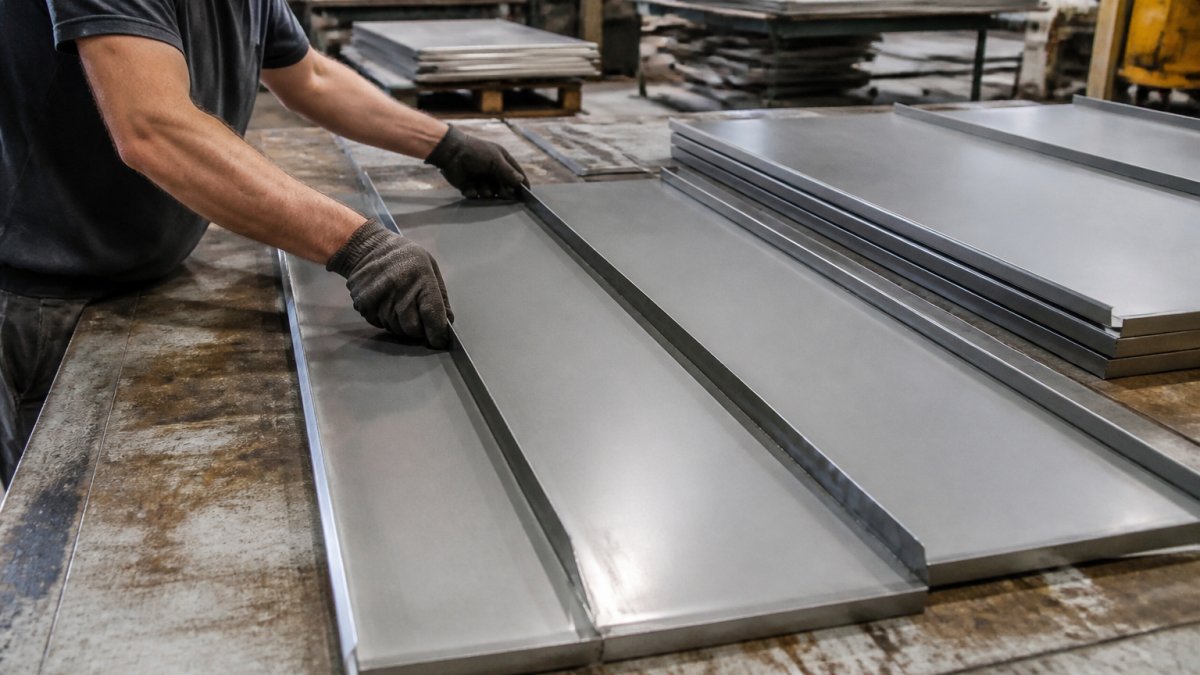
- Roll forming. The profile is formed in one continuous pass to keep the seam geometry consistent.
- Edge and detail work. Hems, stiffeners, and cleats are added where the design calls for them.
- Quality check. Panels are checked for twist, oil canning, and dimensional tolerance before crating.
What to Hand Over Before Fabrication Starts
Fabrication only runs as smoothly as the information behind it. A fabricator needs approved shop drawings, the panel layout with seam positions, the specified zinc thickness and finish, and confirmed dimensions for every opening and corner. Hand over substrate conditions too, because a panel formed for the wrong substrate gap will not sit correctly.
Watch out: releasing a job to fabrication before shop drawings are approved is the most common cause of rework. Formed zinc cannot be reworked the way flat sheet can.
Flat-Lock Zinc Panels: Where They Fit Best
Flat-lock zinc panels suit walls, fascias, and smaller architectural surfaces where a low, even profile matters more than a long uninterrupted run. The panels interlock at folded edges and sit nearly flush, which gives a quiet, monolithic look that standing seam cannot match on a short elevation.
The trade-off is installation speed. Flat-lock is more labor-intensive per square metre because every lock is folded by hand or with a hand tool. On a large roof, that cost adds up fast. On a feature wall or a dormer, it is often the right call.
Zinc panel fabrication for flat-lock work demands tighter tolerances than most people expect. A lock that is off by a couple of millimetres will show as a wavy line across the whole elevation.
Standing Seam Zinc Panels for Roofs and Long Runs
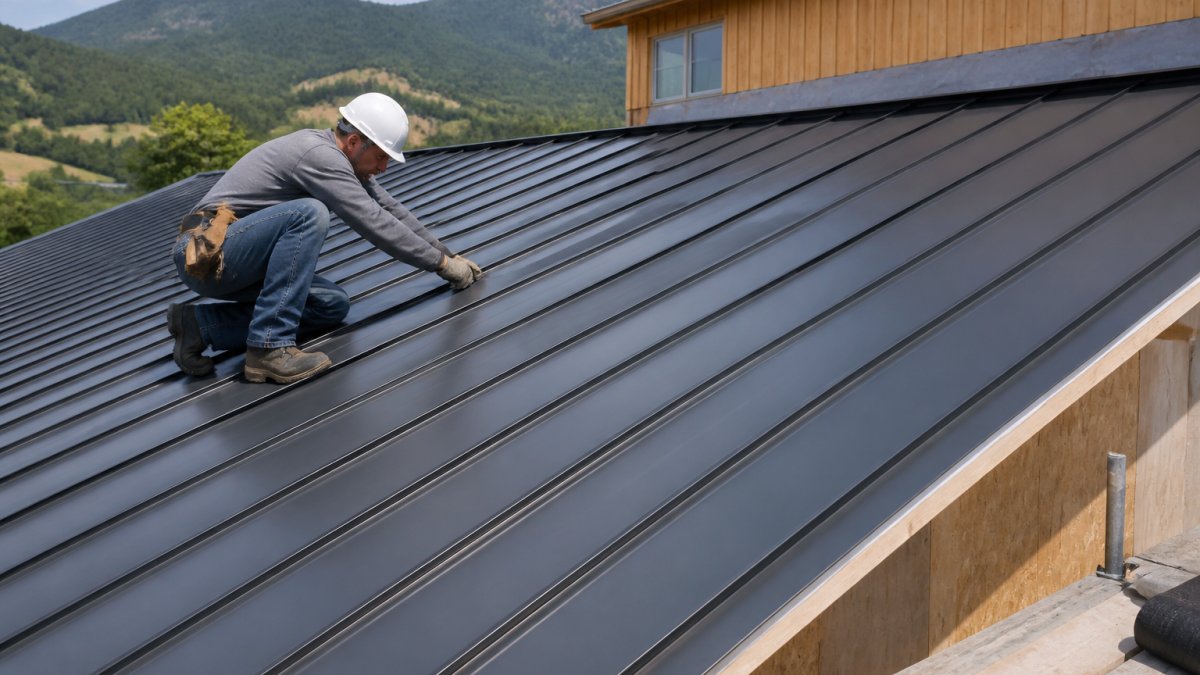
Standing seam zinc panels are the better choice for roofs, long elevations, and any surface where thermal movement has to be managed over distance. The raised seam conceals the fixing and allows the panel to move, which is why standing seam handles long runs that flat-lock cannot.
Double Lock Versus Single Lock
Double lock standing seam folds the seam over twice, closing it mechanically rather than relying on a snap or a single fold.
Single lock is faster to install and works on shorter runs and simpler geometries. Double lock takes longer per metre, but it holds its geometry better over thermal cycles and produces a tighter, more consistent seam line.
For a deeper look at how the profile performs and how it is installed, see our guide to double lock standing seam benefits and installation.
Architectural Zinc Panel Details That Decide Quality
Architectural zinc panel details are where a project succeeds or fails. The large flat fields look the same from every fabricator. The corners, edges, and openings are where the craft shows.
Corners, Edges, and Openings
A properly detailed corner is formed, not folded flat and caulked. Openings should have their own formed surrounds so water never relies on sealant alone. Edge hems should be consistent in width across the whole job, because an uneven hem is visible from the ground.
Ask to see how a fabricator handles a corner before you award the work. It tells you more than any brochure.
Mixed-Metal Detailing and Galvanic Corrosion
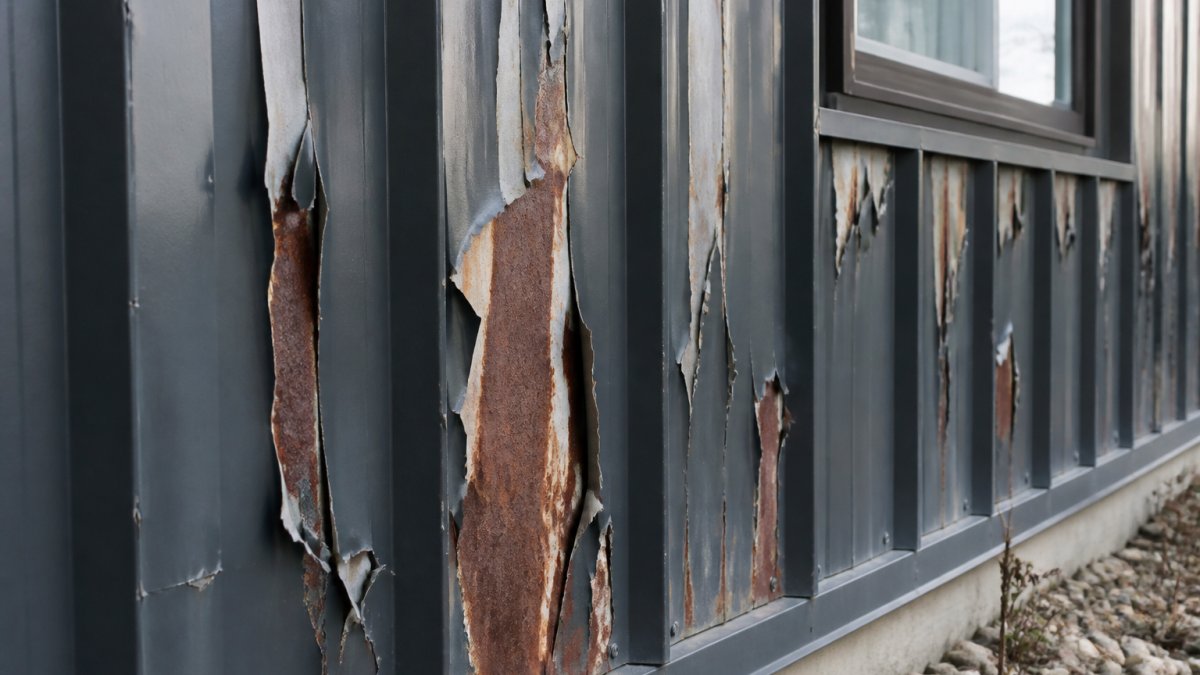
Galvanic corrosion is the accelerated breakdown that occurs when two dissimilar metals touch in the presence of moisture. Zinc and copper are a classic pair, and a high-end renovation that mixes both needs isolation detailing at every contact point.
That means separation tape, isolated fasteners, and drainage paths that keep copper runoff away from zinc. This is not a detail to sort out on site. It has to be drawn and specified before fabrication, because the panel dimensions depend on it.
What to Look for in a Custom Zinc Panel Fabricator
The right fabricator can show you formed profiles, not just flat sheet. Ask for samples of the actual seam and corner details, and ask how they control oil canning on wide panels.
Look for a shop that handles the full scope: tear-off, carpentry, fabrication, and installation under one contract.
Ask what happens when a panel arrives damaged or out of tolerance.
For projects with multiple trades and a fixed schedule, it also helps to read up on hiring architectural sheet metal subcontractors before you shortlist.
| What to check | Why it matters | What to ask for |
|---|---|---|
| In-house forming | Faster rework, consistent seams | Photos of the roll former in use |
| Mixed-metal detailing | Prevents galvanic corrosion | A drawn isolation detail |
| Corner and edge samples | Shows real craft level | Physical samples, not photos |
| Full-scope capability | Fewer coordination gaps | Confirmation of tear-off and install |
| Communication process | Fewer schedule delays | A named project contact |
Requesting a Quote from Metal Masters Inc.
Pricing for custom zinc panel fabrication depends on panel count, profile, thickness, finish, and the complexity of the details, so we quote each project individually rather than publish a rate card.
Send us your drawings, the panel layout, and the specified zinc type, and we will come back with a quote and a fabrication schedule. At Metal Masters Inc., we work directly with homeowners, general contractors, builders, and architects, and we manage the project from tear-off through to installation.
Get a free quote from Metal Masters Inc. and get your zinc panels formed to your drawings, with the seam and corner details specified before anything is cut.
Frequently Asked Questions
What is the difference between standing seam and flat-lock zinc panels?
Standing seam zinc panels have raised interlocking legs that hide fasteners and lift the panel above the deck, which suits roofs and long vertical runs. Flat-lock panels lie flat with folded seams and give a smoother, more uniform face, so they are often chosen for walls and detailing where a quieter surface is wanted. The choice affects profile, substrate requirements, and how the fabricator forms each panel, so confirm it before zinc panel fabrication begins.
What information should I provide when requesting a zinc panel fabrication quote?
Send drawings or a dimensioned sketch, the panel type you want, the substrate, and the project timeline. Note any mixed-metal conditions, such as copper accents next to zinc, so the fabricator can plan separation details. For architectural zinc panel details like corners and openings, include elevations so the shop can price the folding work accurately. Pricing depends on quantity, complexity, and delivery, so ask for a written quote rather than a verbal figure.
Can zinc panels be custom-sized or formed into different profiles?
Yes. Custom zinc panel fabrication services form panels to the lengths and profiles a project needs, including flat-lock, standing seam, and bespoke trim. Lengths are limited by coil width, transport, and handling, so very long runs may need to be split. Bring the fabricator in early, because profile and panel length decisions affect the substrate, the flashing details, and how the panels are installed on site.
How do you detail zinc panels around corners, edges, and openings?
Good architectural zinc panel details use purpose-folded flashings, consistent reveal lines, and proper separation from dissimilar metals rather than relying on sealant alone. Corners should be formed, not cut and patched, and openings need head, sill, and jamb pieces that shed water. Ask the fabricator for shop drawings before fabrication, and check that the details account for thermal movement so panels do not buckle or open at the seams.