 Listicle
Best Metal Siding for Residential Homes: Types, Costs and Picks
Quick Summary
Steel and aluminum are the two most common metal siding choices for homes. Steel is stronger and resists dents better, while aluminum is lighter and does not rust, making it better suited to humid or coastal sites. The coating system and installation quality usually matter more than the choice between the two metals.
- Steel resists dents better than aluminum at comparable thickness.
- Aluminum is lighter and does not rust the way steel does.
- Cut edges and scratches expose bare metal, so repair them promptly.
- Ask for an itemized quote and the coating warranty before comparing bids.
- A quote far below the others may mean thinner gauge or skipped flashing.
Table of Contents
- Why Metal Siding Makes Sense for Residential Homes
- Steel Siding for Homes: Strength, Coatings and Best Uses
- Aluminum Siding for Homes: Lightweight Options and Trade-offs
- Metal Siding Panel Profiles: R-Panel, Board-and-Batten and Corrugated
- Metal Siding Pros and Cons Compared Side by Side
- Installed Cost, Lifecycle and Warranty Considerations per Square Foot
- Metal Siding Maintenance and Coating Care Over the Years
- Choosing Your Metal Siding and Booking a Consultation with Metal Masters
- Frequently Asked Questions
Why Metal Siding Makes Sense for Residential Homes
Metal siding is one of the most durable exterior cladding options available for a house in Canada. It resists rot, insects and fire far better than wood, and a well-coated panel can last decades with little attention. Metal Masters Inc. is an architectural sheet metal company, and the same qualities that suit commercial buildings translate well to homes.
The appeal goes beyond durability. Metal siding comes in a range of profiles, from clean flush panels to bold corrugated and board-and-batten styles. Homeowners choose it for a modern look, for lower maintenance than painted wood, and for protection against the wind and moisture that wear down other materials. Because wind and moisture are only part of the challenge in a harsh winter, comparing metal with other siding materials for cold climates can help homeowners choose a profile and finish suited to local conditions.
Metal siding is not the right choice for every house. Its upfront cost can be higher than vinyl, and installation requires skilled trades who understand panel fastening and thermal movement. Before committing, weigh the material, the profile and the coating against your home's exposure and your budget.
Steel Siding for Homes: Strength, Coatings and Best Uses
Steel is the workhorse of residential metal siding. It is strong, holds its shape, and resists dents better than aluminum at comparable thickness. Residential steel siding typically relies on a galvanized or Galvalume substrate, a zinc or zinc-aluminum coating that protects the steel sacrificially. The base metal and the coating work as a system; neither performs well alone.
Why the coating matters more than the gauge. A factory-applied PVDF (polyvinylidene fluoride) finish resists fading and chalking far better than a basic polyester enamel, and it is the finish most manufacturers back with long-term color warranties. Ask which coating system is specified, what the warranty covers, and whether the warranty is prorated.
Corrosion and galvanic compatibility. Steel is vulnerable wherever the protective coating is breached. Cut edges, drilled holes, and scratch marks expose bare metal, so exposed edges should be protected promptly. Galvanic corrosion is the other risk: when steel contacts dissimilar metals such as copper, lead, or untreated aluminum in the presence of moisture, the less noble metal can corrode faster.
Fasteners and detailing. Use fasteners specified by the panel manufacturer and drive them to the correct depth. Overdriven fasteners crush the panel and create a water trap; underdriven ones leave the panel loose and prone to oil canning and wind damage. Allow for thermal movement at panel ends and in long runs, and follow the manufacturer's expansion details.
Where steel is the right call. Steel is generally the better choice where impact resistance matters, such as hail-prone regions and exposed sites. In coastal or heavily de-iced environments, a coating and fastener package rated for that exposure is worth specifying, with more frequent inspection.
Where steel is not the best fit. Very humid or salt-heavy sites may favor aluminum for its inherent corrosion resistance, and homeowners who prioritize ease of handling or lighter wall loads may prefer aluminum as well. The right answer depends on exposure, budget and the finish system you can get locally.
Watch out: cutting steel panels with an abrasive blade can burn off the protective coating and leave rust spots within a few seasons.
Aluminum Siding for Homes: Lightweight Options and Trade-offs
Aluminum siding is lighter than steel, which makes it easier to handle during installation and reduces the load on the wall framing. It does not rust in the way steel does, which is a real advantage in humid or coastal areas.
The trade-off is dent resistance. Aluminum is softer than steel, so hail, ladder impacts and stray balls leave marks more easily. Thicker gauges reduce this, but they also raise the price.
Aluminum works well for homes where weight, humidity or ease of handling are the main concerns. Where impact resistance is the priority, steel is usually the better fit.
Metal Siding Panel Profiles: R-Panel, Board-and-Batten and Corrugated
The profile changes the look of a home as much as the metal does. R-panel has wide, evenly spaced ribs and a utilitarian feel that suits barns, outbuildings and modern rural homes. Board-and-batten panels mimic the vertical wood look with narrow battens between wider panels, giving a more traditional appearance. Corrugated panels have a bold wave pattern that reads as industrial and works well on contemporary designs.
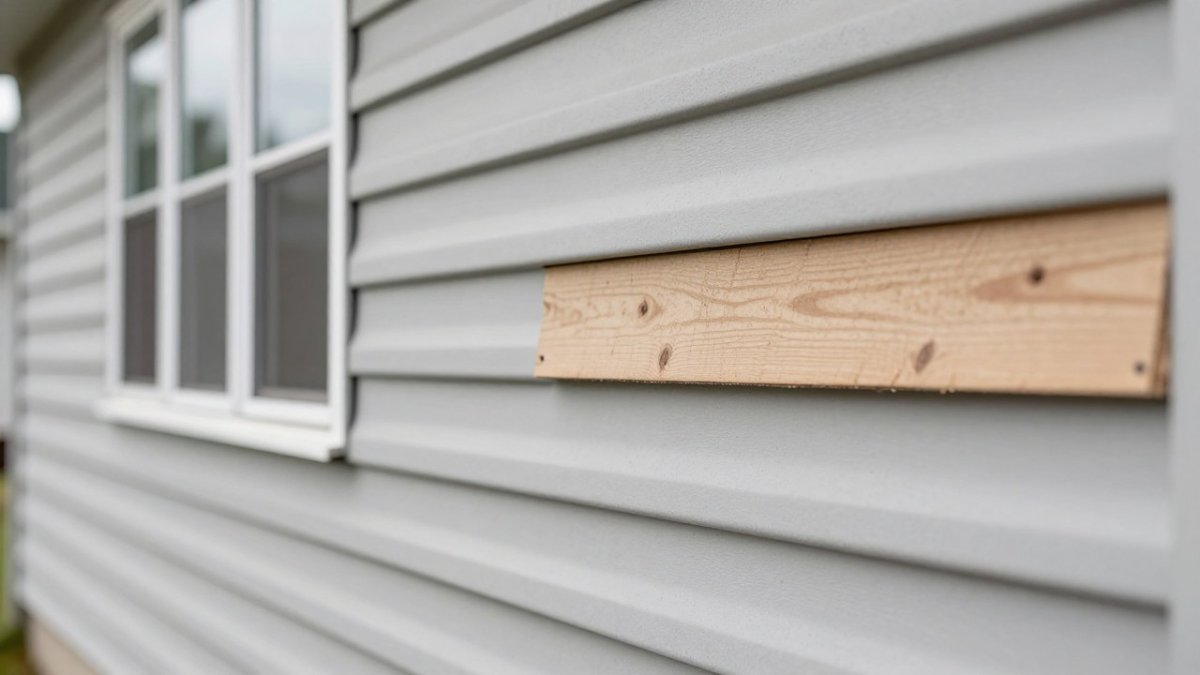
Flush wall panels offer a smooth, clean surface with hidden fasteners, which suits contemporary architecture. Choose the profile first, then confirm that the supplier can deliver the gauge and finish you need in that style.
Metal Siding Pros and Cons Compared Side by Side
| Factor | Steel Siding | Aluminum Siding |
|---|---|---|
| Strength and dent resistance | High | Moderate |
| Weight | Heavier | Lighter |
| Corrosion resistance | Good when coated | Very good |
| Best for | Impact-prone or exposed sites | Humid or coastal sites, easier handling |
| Main drawback | Can rust where coating is damaged | Dents more easily |
Pros of metal siding overall: long service life, fire resistance, low maintenance, and a wide choice of profiles and colours.
Cons of metal siding overall: higher initial cost than vinyl, noise during rain or hail unless insulated, and the need for experienced installers.
Coating quality and installation skill generally matter more than the choice between steel and aluminum. A well-installed system with a strong finish will usually outlast a poorly installed panel of either metal.
Installed Cost, Lifecycle and Warranty Considerations per Square Foot
Choosing between steel, aluminum and other cladding is easier with a per-square-foot budget that separates material, labour, trim and disposal, then compares that upfront number against the cost of owning the cladding over its service life.
What drives the installed price. Four variables move a residential metal siding quote more than anything else: the metal and gauge, the profile (flush panels with hidden fasteners cost more to install than exposed-fastener R-panel), the coating system (a basic polyester enamel versus a factory PVDF finish), and site conditions such as two-story access, removal of existing cladding, and the amount of flashing and trim. Labour can be a large share of a residential re-clad, so regional wage rates and crew availability matter as much as the panel itself.
How to read a quote. Ask for an itemized breakdown that separates panels, trim and flashing, fasteners, underlayment, labour, removal and disposal. A single lump-sum figure hides where the money is going and makes it hard to compare two bidders fairly. Confirm whether the price includes building permit costs, scaffolding, and replacement of any rotten sheathing discovered during tear-off, those are common change-order items.
Lifecycle cost, not just sticker price. A metal system usually costs more upfront than vinyl but needs far less over its service life. The ownership math has three parts: expected service life of the panel and coating, repainting or repair intervals, and warranty coverage. A well-coated steel or aluminum system with a strong factory finish can outlast painted wood or basic vinyl cladding, and the finish often determines when the first significant maintenance spend arrives.
Warranties are three separate contracts. Panel warranties, coating warranties and workmanship warranties are typically issued by different parties and cover different failures. A coating warranty covering fading and chalking over a long term can be worth more than a lower quote with a short finish warranty, because finish failure is a common and costly problem on residential metal walls. Read the exclusions: many coating warranties prorate, exclude coastal salt exposure, or require registration and periodic cleaning. Workmanship coverage, flashing, fastening, and water management, is usually the shortest and the most important to get in writing.
Climate and exposure change the number. A home in a high-snow, freeze-thaw region needs detailing that sheds water and ice properly; a coastal home needs a coating and fastener package rated for salt air; a hail-prone area favors heavier gauge steel over aluminum. These choices affect both the installed price and the lifecycle cost, so factor them in before comparing bids.
Watch out: a quote that is dramatically lower than the others can reflect a thinner gauge, a basic enamel instead of a high-performance coating, or skipped underlayment and flashing.
Metal Siding Maintenance and Coating Care Over the Years
Metal siding needs far less upkeep than painted wood, but it is not maintenance-free. Rinsing the surface with water periodically helps remove dirt and salt. Inspect for scratches, chips or fastener problems after severe storms.
Oil canning, the wavy appearance some flat panels develop, is a common concern. It is usually controlled by panel design, gauge, fastening method and installation technique, so ask your installer how they manage it.
Touch up scratches with a manufacturer-approved coating as soon as you spot them, as this helps prevent corrosion. Our guide to why metal siding coatings fail prematurely explains the common causes of early coating failure and how to avoid them. Metal Masters Inc. can advise on the right approach for your system.
Choosing Your Metal Siding and Booking a Consultation with Metal Masters
Start by deciding on your priorities: impact resistance, weight, climate exposure, look and budget. If you want to see what a custom copper installation involves, the seven steps to install custom copper metal siding walk through the process from start to finish. Then pick the metal and profile that match, and confirm the coating and warranty.
Metal Masters Inc. works with homeowners, general contractors, builders and architects on custom residential and architectural projects. Our team handles full-service metal roofing and siding, including tear-off, carpentry and custom fabrication using copper, zinc, painted aluminum and steel. To talk through your options and get a quote tailored to your home, contact Metal Masters Inc. directly.
Frequently Asked Questions
What is the best type of metal siding for a house?
For most residential homes, steel siding with a factory-applied, high-performance coating offers the best balance of strength, fire resistance and long-term appearance. Aluminum suits coastal or high-moisture sites because it does not rust, but it dents more easily and usually costs more per square foot. Panel style, colour and the coating system matter as much as the base metal, so compare them together and ask any supplier for the coating warranty in writing before deciding.
Is steel or aluminum siding better for a home?
Steel is stronger and resists impact and wind better, which makes it a good fit for exposed or hail-prone locations. Aluminum is lighter, easier to handle during installation and naturally corrosion resistant, so it works well near salt air or where weight is a concern. Neither is universally better. Steel generally costs less per square foot, while aluminum often justifies its higher price where corrosion is the main risk.
What are the pros and cons of metal siding on a house?
Metal siding is fire resistant, durable, low in upkeep and available in many profiles and colours. Its drawbacks include a higher upfront cost than vinyl, possible denting from hail or impacts, oil canning on large flat panels, and noise during rain or hail unless insulation is added. Poor installation or mismatched metals can also cause galvanic corrosion, so the installer's experience matters as much as the product.
How long does residential metal siding last?
Properly installed steel or aluminum siding with a quality coating can often last several decades. Actual service life depends on the base metal, coating system, climate exposure and maintenance. Coastal and high-humidity sites shorten coating life, while sheltered locations extend it. Ask for the finish warranty terms and compare them rather than relying on a single headline figure.
Does metal siding make a house hotter or noisier?
Bare metal siding can reflect solar heat and transfer some heat to the wall cavity, but light colours and proper insulation or a ventilated air space reduce this effect. Rain and hail can be louder on metal than on wood or vinyl, though a sheathing layer and insulation below the panels dampen most of the noise. Discuss the wall assembly with your installer if these factors matter for your home.